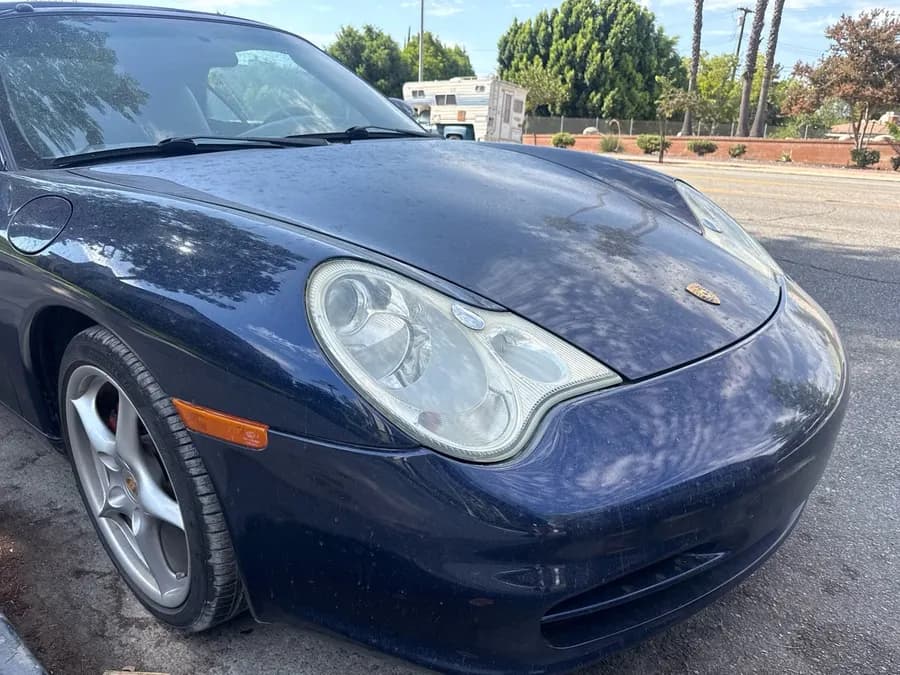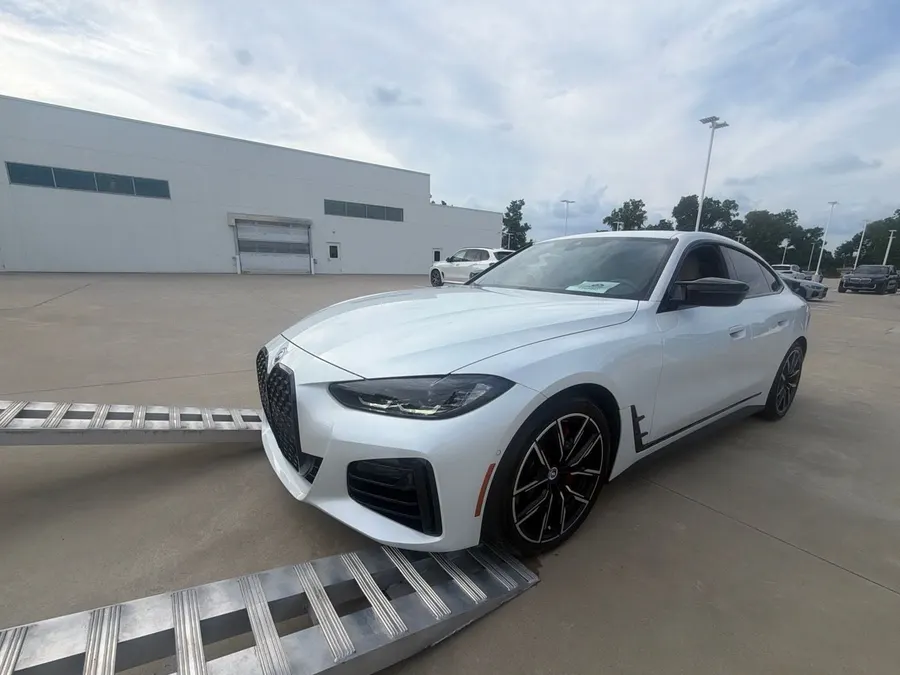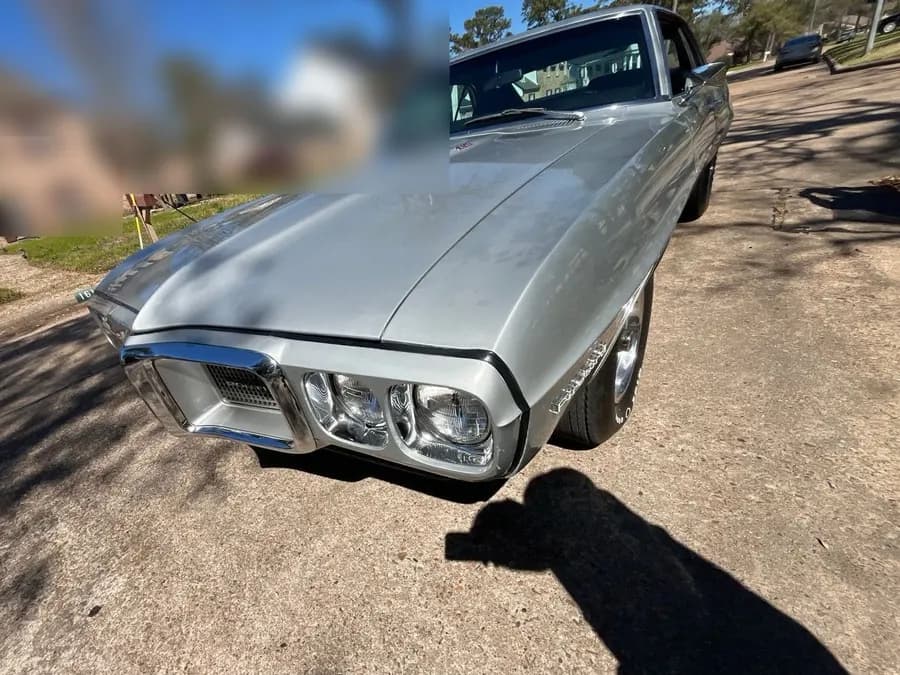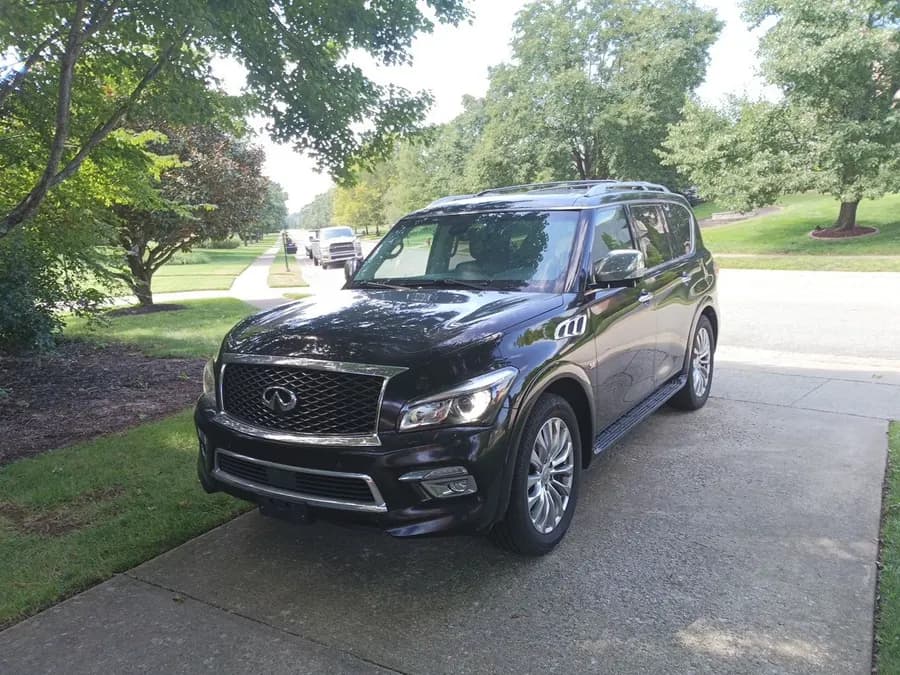
The Bill of Lading is the one document that proves what your car looked like when the driver took it. Ten careful minutes with it at each end protect you.
The Bill of Lading, or BOL, is the receipt and condition report the driver fills in with you at pickup and again at delivery. It records the car, the addresses, and every existing scratch, dent and chip. If the car arrives damaged, the BOL is the evidence that the damage was not there when it was loaded.
What a Bill of Lading records
- The vehicle: year, make, model, color and VIN.
- The pickup and delivery addresses and contacts.
- A diagram of the car with every existing mark noted.
- The odometer reading, where the form asks for it.
- Signatures from you, or your named contact, and the driver at each end.
At pickup
Walk around the car with the driver in good light. Make sure every existing mark is on the diagram before you sign, take your own dated photos, and keep your copy of the signed form. Do not sign a blank or half-filled report.
At delivery
Before you sign, walk around the car again and compare it with your copy of the pickup report and your photos. Write any new damage on the delivery report, photograph it with the driver present, and ask the driver to acknowledge it. Then report it promptly and follow the carrier’s claim instructions. A clean signature at delivery makes a later claim much harder.
Who can sign for you
Anyone aged 18 or over you name in advance can inspect the car and sign: a friend, a relative or a dealership contact. Give them this checklist and the preparation guide, and make sure they keep a copy of the form.
For what the carrier’s insurance covers and how a claim works, read the insurance guide.
Written by Brian Smith, Auto Transport Manager at Leader Auto Ship LLC — FMCSA licensed property broker, MC #1638331, DOT #4232283. Brian has more than four years of experience and has personally handled about 800 shipments. Verify the licence yourself.