Updated September 29, 2026 · By Brian Smith
How long a coast-to-coast shipment takes
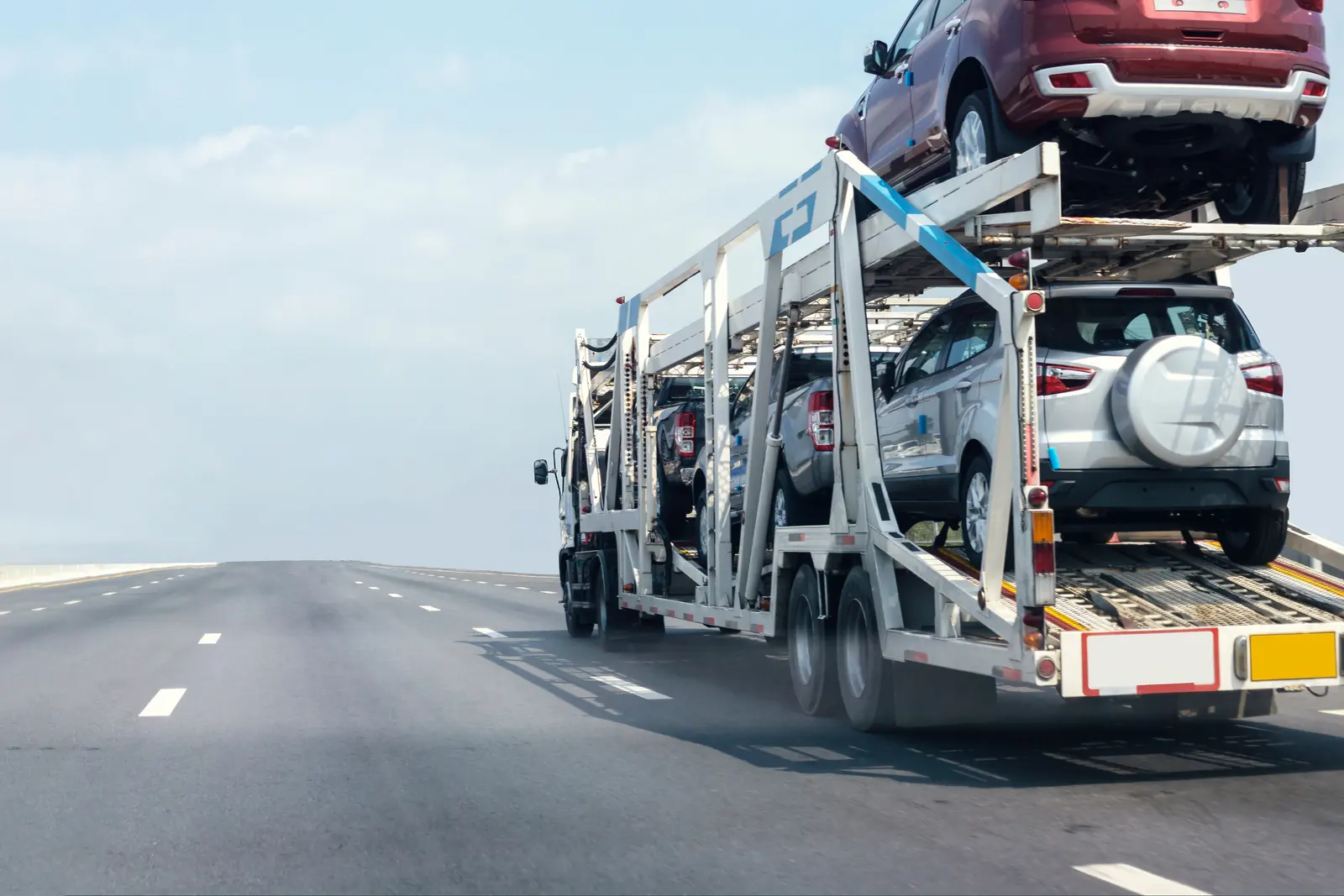
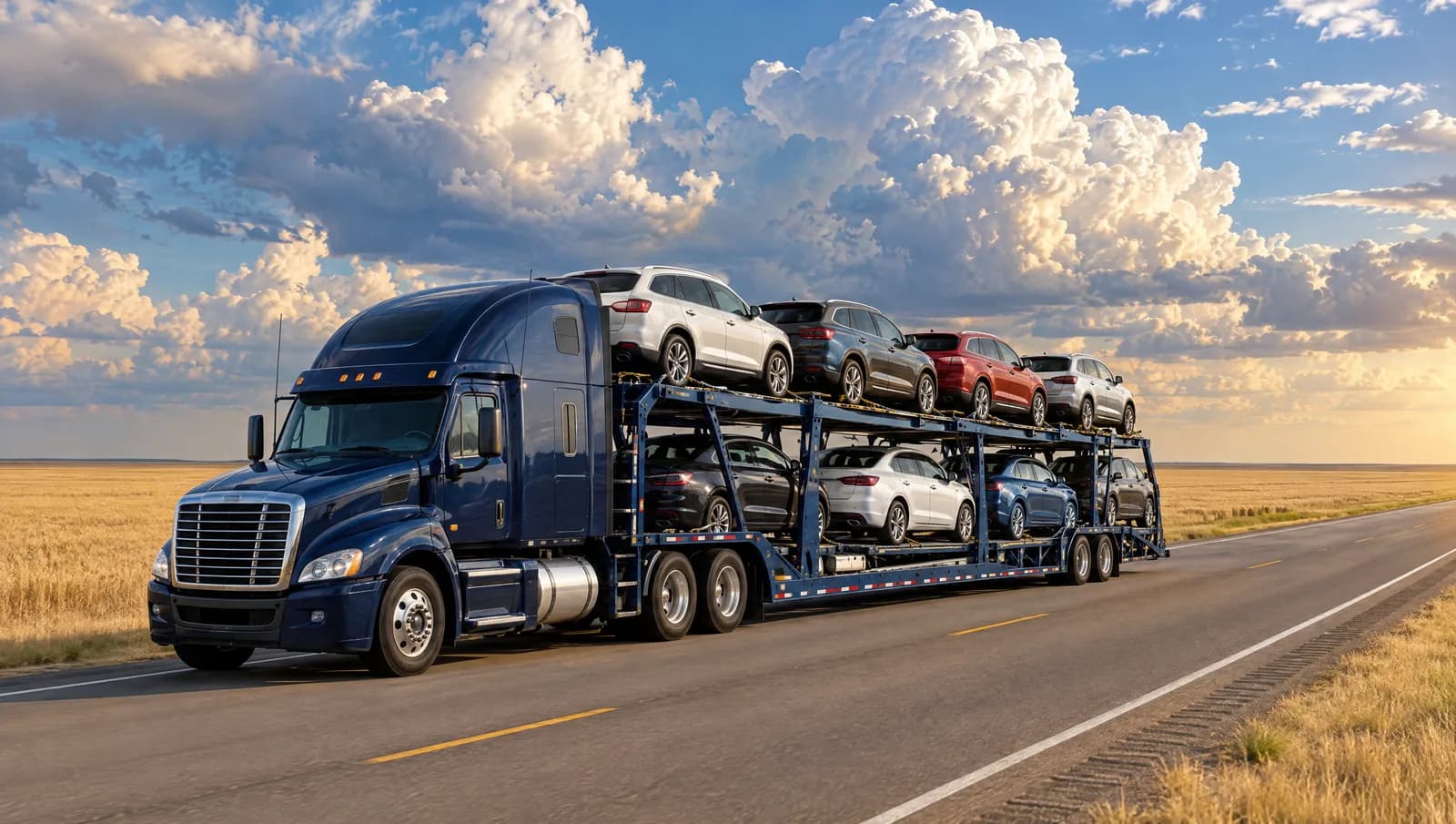
Once your car is on the truck, the coast-to-coast routes I price, 2,650 to 2,790 miles, take 7–10 days. That is not a slow driver. Federal hours-of-service rules cap a truck driver at 11 hours of driving in a day, and a car hauler also stops to load and unload other vehicles along the way. Nothing anyone can do changes that, so treat a promise of "four or five days, coast to coast" with suspicion.
The clock starts at pickup, not at booking. Dispatch typically takes 1–3 business days, so a cross-country move is closer to two weeks than one from the day you book. The shorter long hauls run faster: 5–9 days on the routes of 2,015 to 2,450 miles in the table below.
What it costs, in each direction
Below is every long-haul route I currently price, 2,000 miles and up, with the open and enclosed band for each direction. They are the same numbers as on the individual route pages, gathered so you can compare corridors side by side. Each band is for a running car or SUV, picked up and delivered door to door with the carrier's cargo insurance included, and each is a range because the exact rate depends on the ZIP codes, the vehicle and the pickup date.
| Route | Miles | Transit | Open | Enclosed |
|---|---|---|---|---|
| California to New York | 2,790 | 7–10 days | $1,750 – $2,050 | $2,600 – $3,000 |
| Los Angeles to New York | 2,790 | 7–10 days | $1,750 – $1,950 | $2,650 – $2,900 |
| New York to California | 2,790 | 7–10 days | $1,500 – $1,950 | $2,250 – $2,650 |
| New York to Los Angeles | 2,790 | 7–10 days | $1,500 – $1,750 | $2,300 – $2,500 |
| Los Angeles to Miami | 2,735 | 7–10 days | $1,600 – $1,800 | $2,300 – $2,550 |
| Miami to Los Angeles | 2,735 | 7–10 days | $1,500 – $1,700 | $2,100 – $2,400 |
| California to Florida | 2,650 | 7–10 days | $1,750 – $1,900 | $2,500 – $2,700 |
| Florida to California | 2,650 | 7–10 days | $1,450 – $1,700 | $2,250 – $2,500 |
| California to North Carolina | 2,450 | 6–9 days | $1,650 – $1,800 | $2,650 – $2,950 |
| North Carolina to California | 2,450 | 6–9 days | $1,450 – $1,750 | $2,450 – $2,650 |
| California to Georgia | 2,180 | 6–8 days | $1,500 – $1,750 | $2,400 – $2,650 |
| Georgia to California | 2,180 | 6–8 days | $1,350 – $1,650 | $2,250 – $2,500 |
| California to Tennessee | 2,100 | 5–8 days | $1,500 – $1,800 | $2,400 – $2,800 |
| Tennessee to California | 2,100 | 5–8 days | $1,300 – $1,450 | $2,200 – $2,500 |
| California to Illinois | 2,015 | 5–7 days | $1,350 – $1,600 | $2,450 – $2,600 |
| Chicago to Los Angeles | 2,015 | 5–7 days | $1,150 – $1,300 | $1,750 – $1,950 |
| Illinois to California | 2,015 | 5–7 days | $1,050 – $1,350 | $1,650 – $2,000 |
| Los Angeles to Chicago | 2,015 | 5–7 days | $1,350 – $1,500 | $2,350 – $2,550 |
Direction matters. On all 9 corridors in the table that start or end in California, the leg leaving California is the dearer one. That is why I never estimate a return trip from the outbound price: each direction is quoted on its own.
Distance matters less than people expect. Open bands in the table span $1,050 – $2,050 and enclosed bands $1,650 – $3,000, and the price follows carrier demand on the corridor about as much as it follows the miles. For your own ZIP codes, use the cost calculator or ask me for a firm quote.
Open or enclosed for a coast-to-coast trip
The longer the trip, the longer your car sits exposed on an open carrier, and the more an enclosed trailer is really buying: no rain, no road salt, no hail, no stones thrown up by the truck ahead. For a daily driver, open is still the sensible default. Most cars move that way, including nearly every new car delivered to a dealership, and open carriers are far more common, which shortens the wait for a pickup. For a classic, a low car or anything a chip would ruin, pay for enclosed. The enclosed transport page has the premium on every route, and the open vs enclosed guide has the decision test.
Winter, weather and the route the truck takes
Drivers pick the interstate that suits the load and the season: I-10 across the southern tier, I-40 through the middle, I-70 or I-80 across the north. From roughly December to March, snow on the northern passes closes or slows those roads and pushes trucks south, which can lengthen a trip. In summer the desert Southwest is the operational factor, because heat is hard on drivers and equipment. Neither stops a shipment. Both are reasons to treat the transit window as an estimate and to leave slack around any fixed date, such as a flight or a job start.
Ship it or drive it?
Do the arithmetic before you take my word for it. Driving means fuel (the miles divided by your car's mpg, times today's price per gallon), the better part of a week on the road with the lodging and meals that come with it, the days you are not working, and thousands of miles of wear on a car you may be selling or trying to keep pristine. Put that total beside the band for your direction in the table. Plenty of people find shipping close or cheaper once the days are counted. If you want the road trip, or the car is a cheap commuter, driving can win. Both are reasonable answers.
Getting a better rate on a long haul
- Give a pickup window instead of a single date. Flexibility on dates is typically worth $100–$200 on a lane.
- Meet the truck near a major interstate rather than at a remote address. It saves the driver a detour, and the door-to-door guide explains how a meeting point works.
- Book ahead of the busy seasons. Late spring and summer are peak moving season, and the Florida lanes tighten around the snowbird migrations.
- Tell me the true condition of the car. A non-running car adds roughly $150–$250, and it costs far more to discover that at the curb.
- Ask what the number includes. Mine is door to door, insurance included, and fixed once confirmed. See the price guarantee.
Before the truck arrives
The 10-minute checklist applies unchanged: wash the car, photograph it from every side with the timestamp on, remove personal items and leave about a quarter tank of fuel. On a long haul the Bill of Lading matters more, because the car spends more days on the road. Walk around it with the driver at both ends and write every existing mark on the form before you sign.
Written by Brian Smith, Auto Transport Specialist at Leader Auto Ship LLC — FMCSA licensed property broker, MC #1638331, DOT #4232283. Verify the licence yourself.