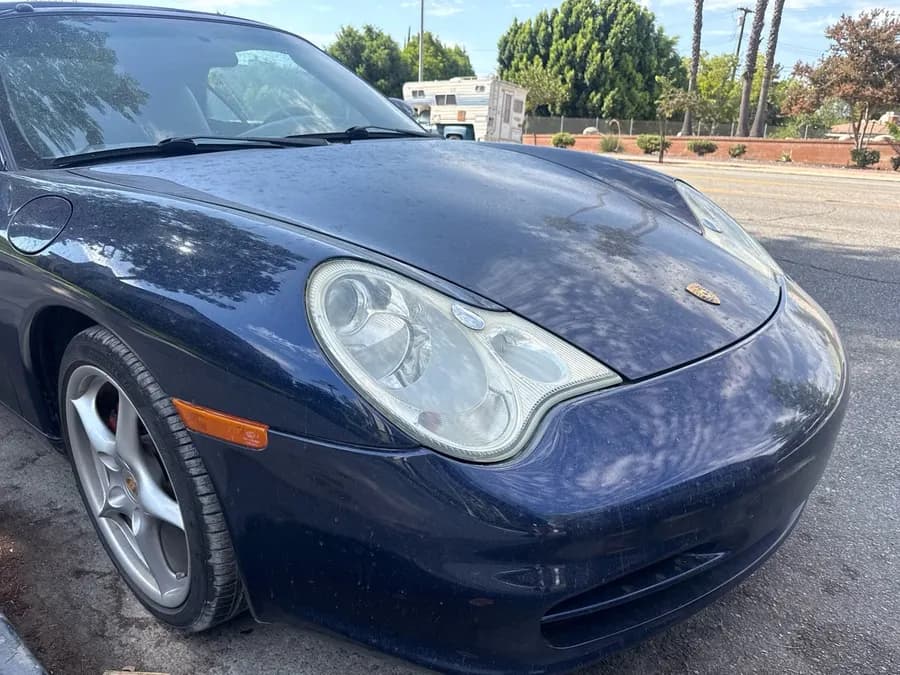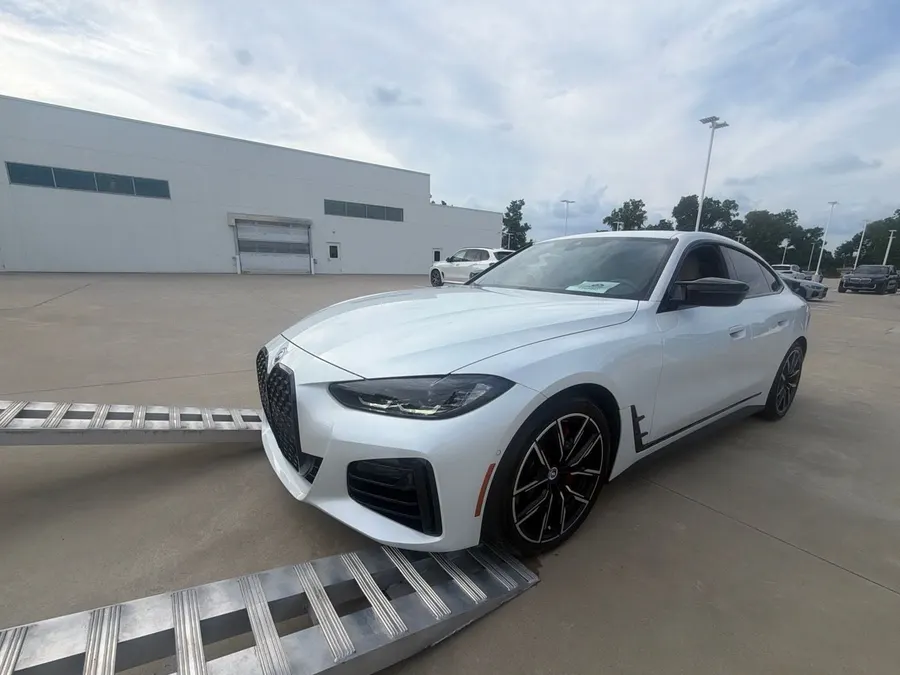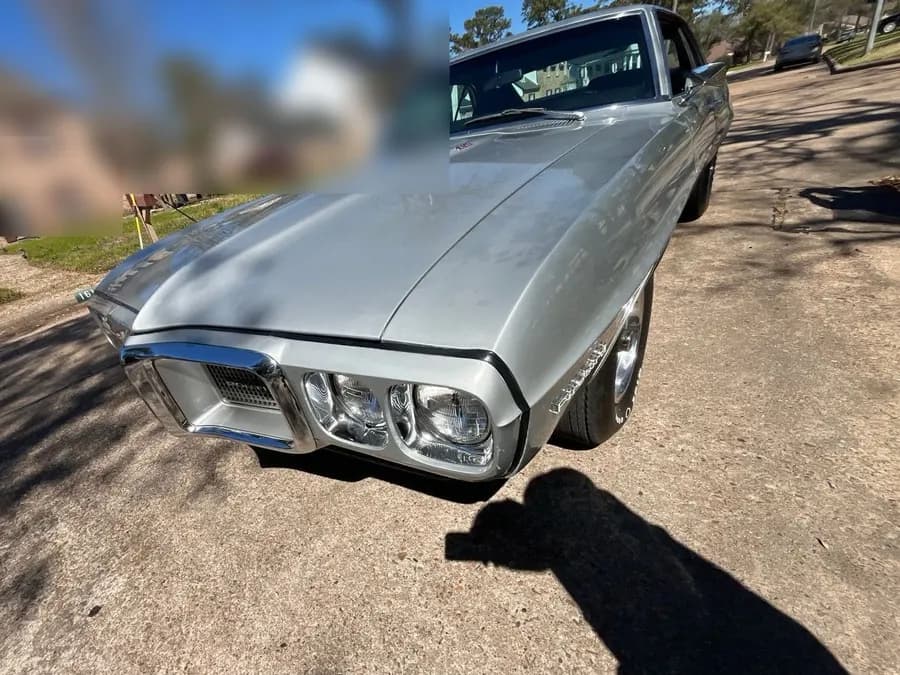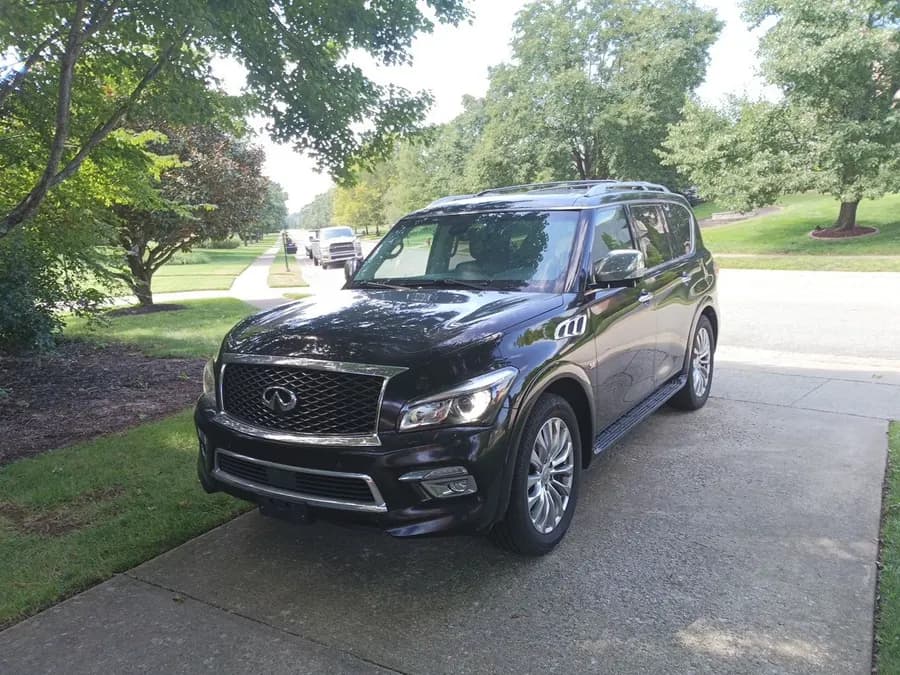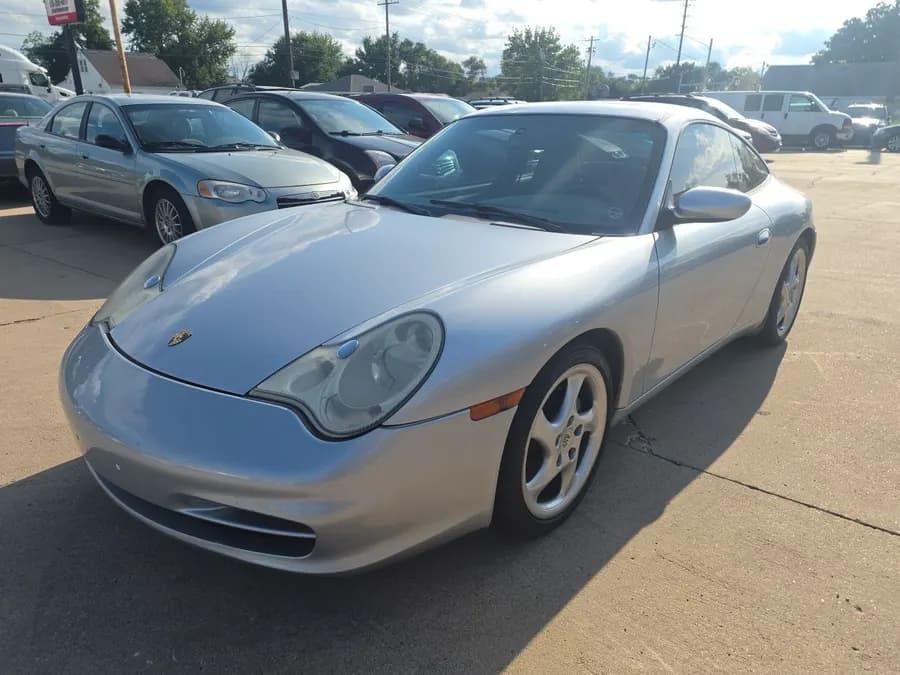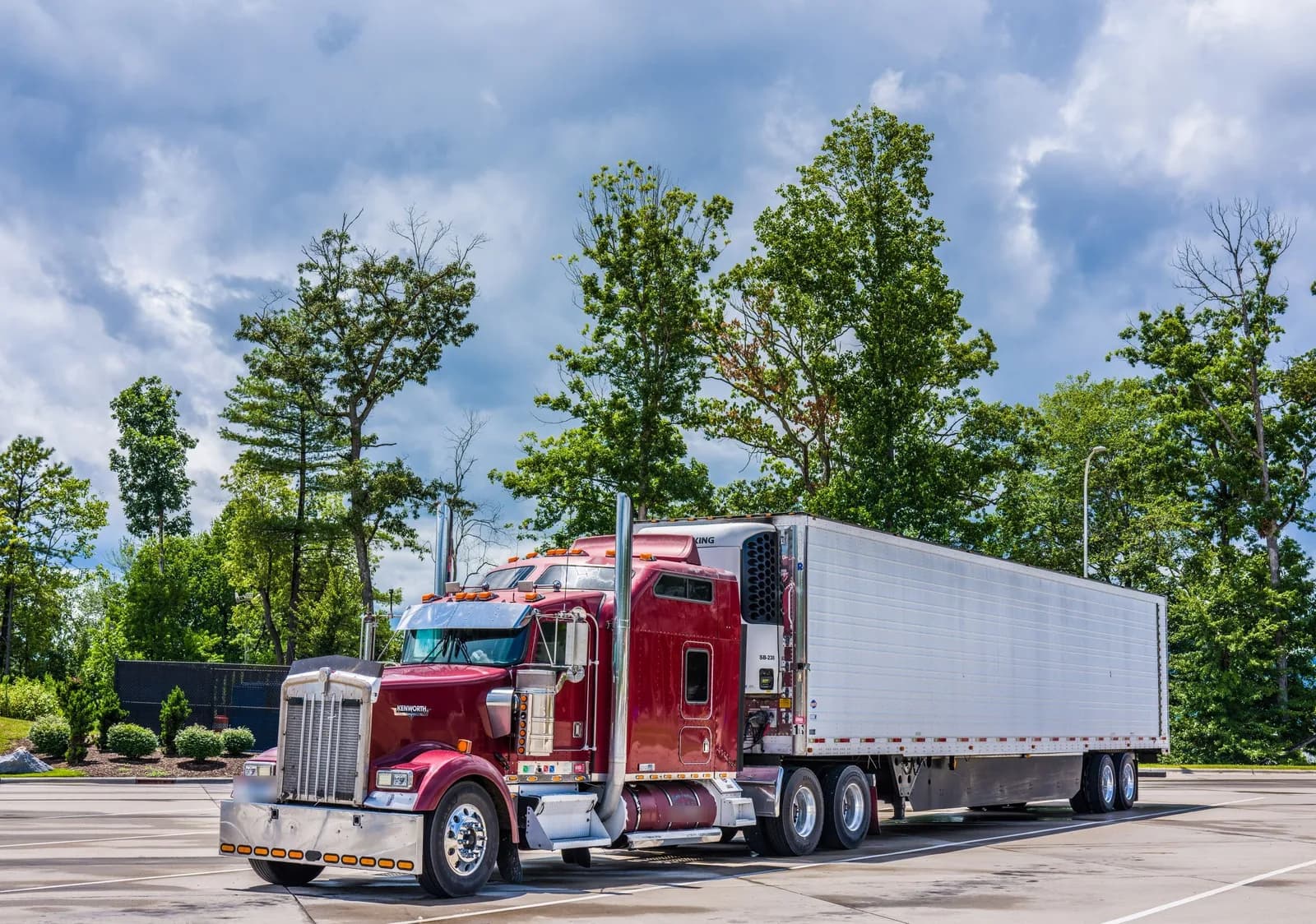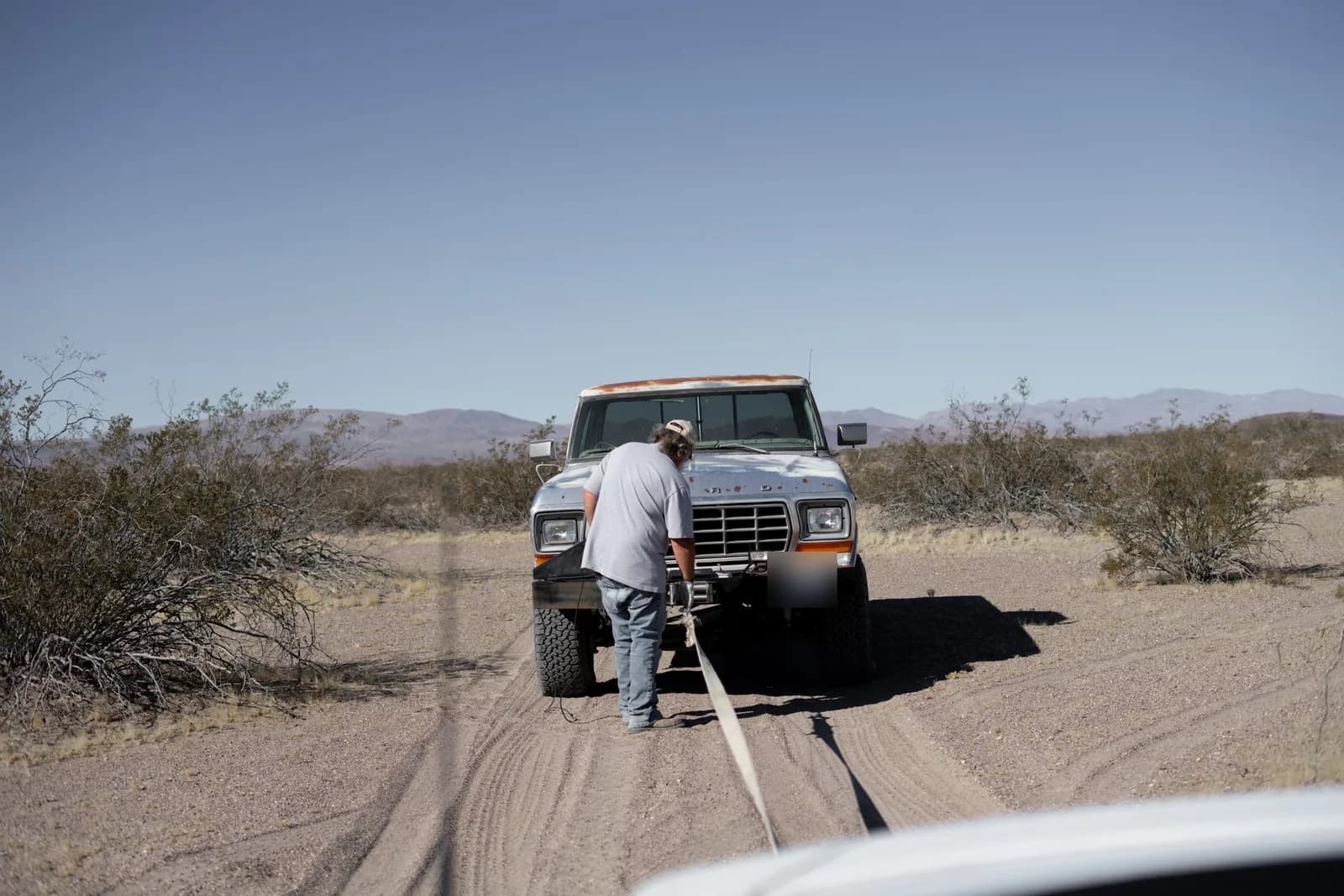
A car that will not start and a car with seized wheels are different loading jobs. Describe the actual condition before we choose a carrier.
Can you ship a car that does not run?
Yes, but the carrier needs the right equipment. Start with three questions: does it roll, does it steer and do its brakes work? A car that cannot start but rolls and steers may be suitable for winch loading. Seized wheels, missing wheels, locked steering or brake problems require a different plan.
What does non-running car shipping cost?
In my planning example, a running car that costs $1,000 on an open trailer becomes about $1,300 when it is non-running. If the running enclosed price is $1,400, the non-running enclosed price may be about $1,600. These examples describe one comparison, not a fixed surcharge on every route.
The final quote depends on the condition, carrier equipment, vehicle size and access at both ends. A vehicle that will not roll can need specialized loading help, separately arranged and priced. I confirm the actual loading cost with the carrier.
Tell me these details before booking
- Whether the engine starts reliably, including any intermittent starting or battery problem.
- Whether all wheels are present, inflated and able to roll, and whether the steering can unlock.
- Whether the brakes work and the transmission can be placed in neutral.
- Any missing parts, fluid leaks, collision damage, low clearance or loose components.
- Whether working keys or a key fob are available. A non-running car can still need them to unlock steering or access the vehicle.
- Clear photos and loading access at pickup and delivery, including whether the location can provide loading assistance.
Why an undisclosed problem can add cost
If a car is booked as running and the driver arrives without the equipment needed to load it, pickup may fail. A wasted trip or a replacement carrier can add charges and delay. Tell me if the condition changes after booking so we can update the carrier and confirm any revised price before dispatch.
Auction and salvage pickups
Send the auction or yard name, lot number, release documents, contact details, opening hours and storage deadline. Confirm payment and release authorization with the seller. Ask what loading assistance the yard provides and whether it has a fee; do not assume a forklift is included or appropriate for your vehicle.
Agree who will release the vehicle and document its condition. I can coordinate the transport pickup, but the yard’s release and access requirements still apply. Read the pickup checklist and cross-country cost examples before making your plan.
Written by Brian Smith, Auto Transport Manager at Leader Auto Ship LLC — FMCSA licensed property broker, MC #1638331, DOT #4232283. Brian has more than four years of experience and has personally handled about 800 shipments. Verify the licence yourself.