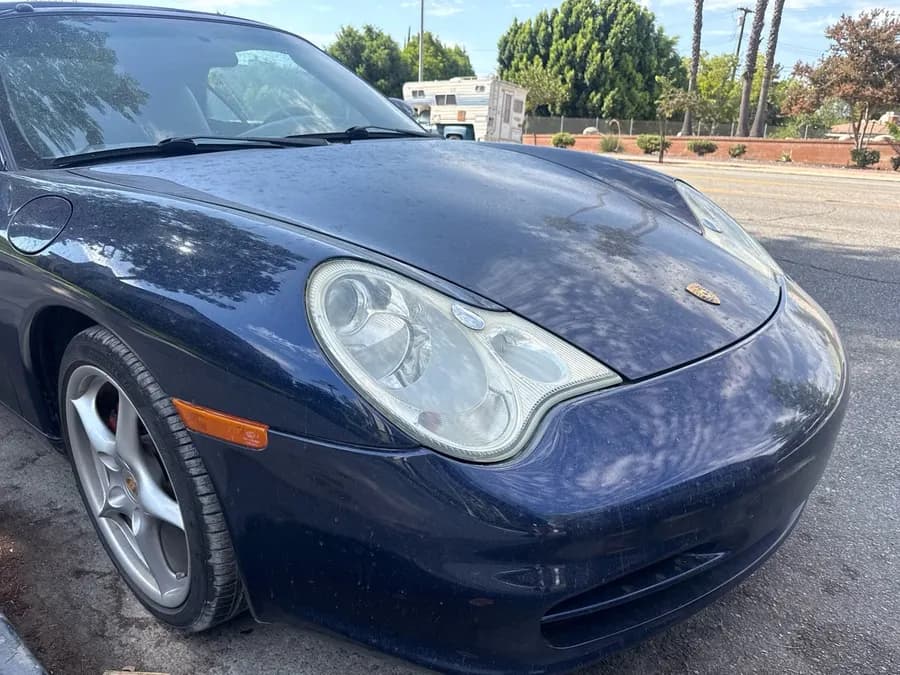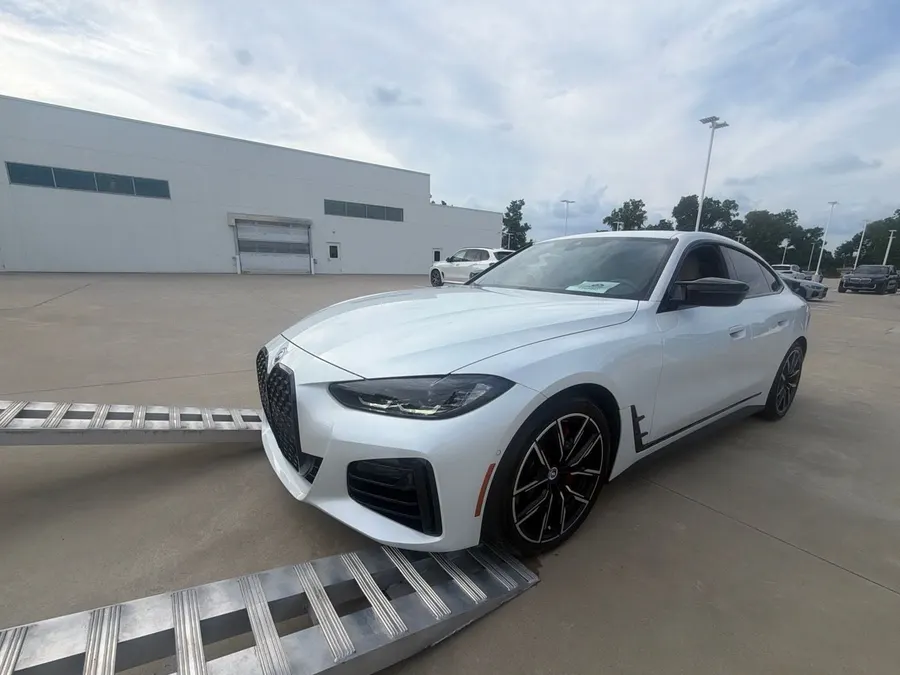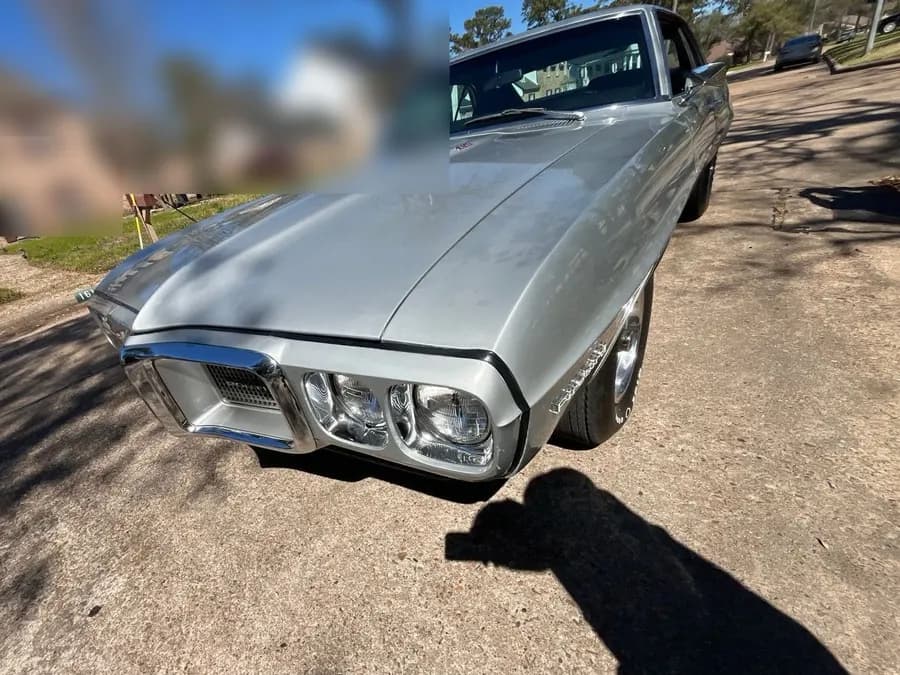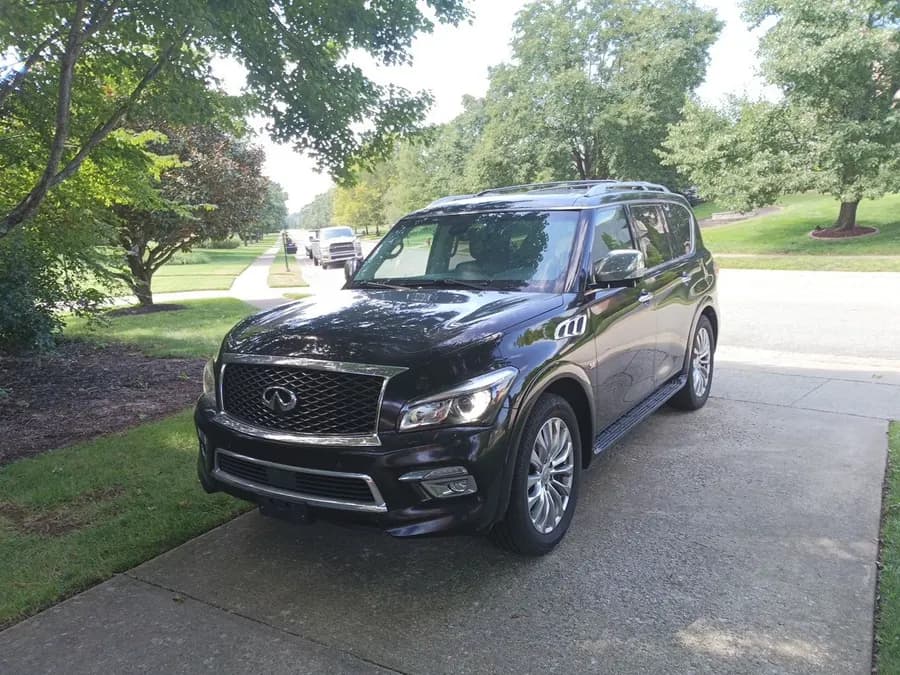
Your flight date, the car’s pickup window and the return journey need separate planning. Early preparation gives us more options when seasonal demand rises.
Snowbird car shipping means moving your vehicle south for the winter, often to Florida, and north again in spring. Demand can tighten around popular travel weeks. There is no reliable fixed seasonal surcharge for every route: your cities, direction, dates and vehicle determine the quote.
Start with the flight and the pickup window
Tell me when you can release the car, when you fly and who can hand over the keys if pickup falls after your departure. A carrier’s pickup window is different from a guaranteed appointment. If one exact day is essential, say so before booking so we can discuss availability and price.
Start arranging a peak-season shipment several weeks ahead when you can. That gives us time to discuss flexible dates and carrier access. It does not by itself lock a rate or guarantee a truck. The confirmed price is the one on your dispatch confirmation after a carrier accepts the agreed shipment.
Budget for the actual cities
From my experience, an average sedan or SUV from New York to Miami, or Ohio to Miami, may be around $1,100–$1,200 open. Those examples are planning estimates rather than promises for every Florida destination. Rural addresses, larger vehicles and narrow pickup windows can change the number. The cross-country cost guide explains why route-specific estimates matter.
Plan the return leg separately
If you expect to return in spring, share that plan now. We can prepare both journeys, but each has its own demand and carrier availability. A round-trip discount or an unchanged spring price is not automatic. Ask what is estimated, what is confirmed and what happens if your return date changes.
Two ways to give us more options
- Offer a pickup window of several days if your plans allow it. Ask whether moving away from a busy travel week changes your actual quote.
- Consider a safe, carrier-approved meeting point near a major route. Downtown streets are not always accessible to a large trailer. Confirm the location and any savings first.
Luggage and keys are part of the plan
Seasonal travelers often want to put household items in the trunk. Discuss the real weight and placement before pickup, and get carrier approval. Do not assume an allowance or insurance for those belongings. If you leave first, arrange the keys and an inspection contact at each end. My preparation checklist covers both.
Open or enclosed for winter?
Open is usually a sensible starting point for an everyday car. Enclosed reduces road and weather exposure while inside the trailer and can be worthwhile for a valuable or classic vehicle. Confirm the loading equipment and coverage rather than relying on the trailer label alone. Compare options in the open and enclosed guide.
Written by Brian Smith, Auto Transport Manager at Leader Auto Ship LLC — FMCSA licensed property broker, MC #1638331, DOT #4232283. Brian has more than four years of experience and has personally handled about 800 shipments. Verify the licence yourself.