How to transport a car: quote to driveway, nothing hidden.
Auto transport is not complicated. It is just badly explained by most of the industry, because vagueness is where the surprise fees live.
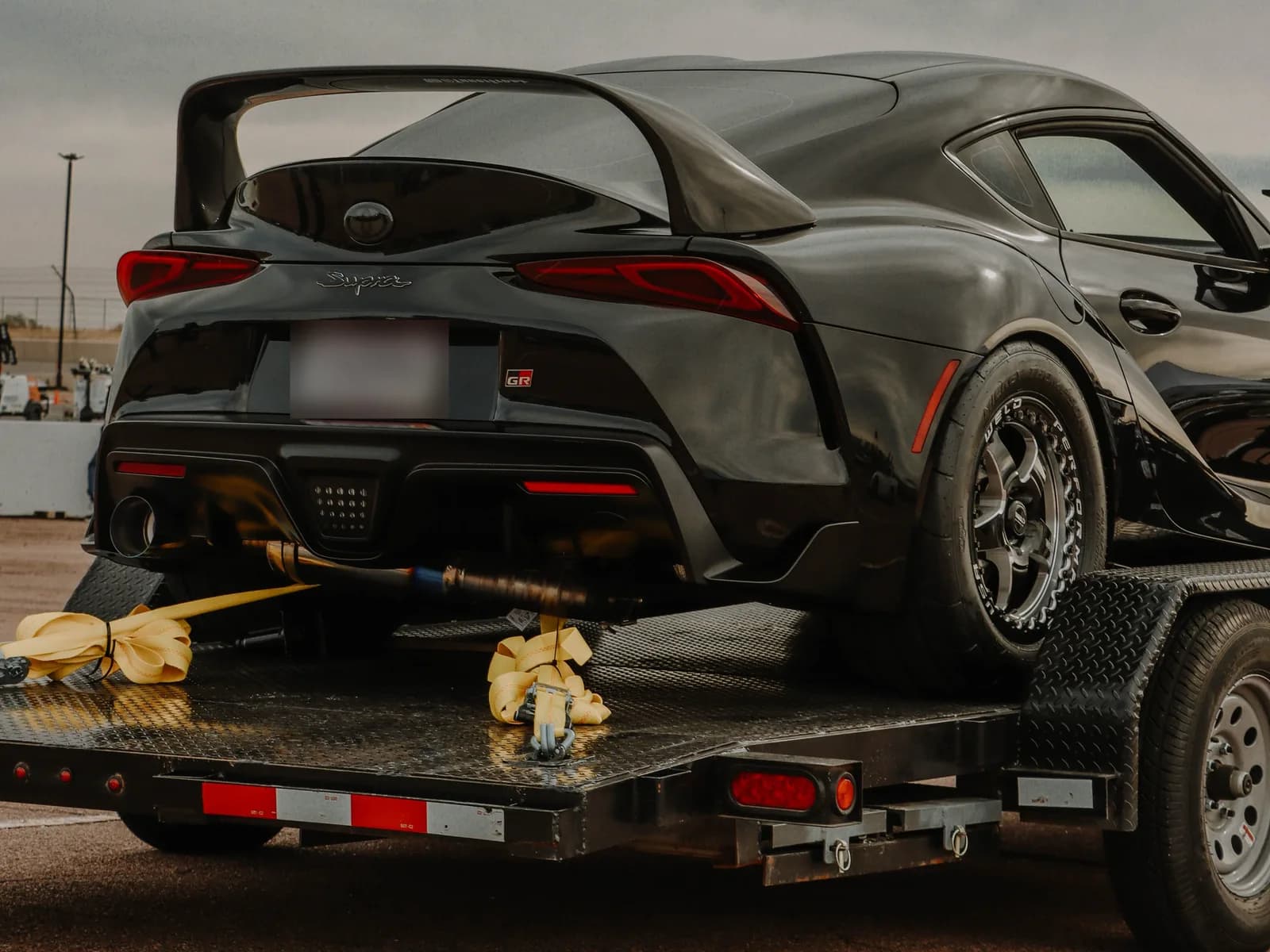
A clear route.
At every step.
- 01
Request your quote
Share your pickup and delivery ZIPs, vehicle details and preferred dates. Brian follows up with your quote.
Just researching? Browse route price guides without leaving your contact details.
- 02
Book your shipment
Lock your dates with an electronic order. No deposit is taken at this stage — none.
Your order goes to the national dispatch board and I start working carriers on your lane.
- 03
Vehicle pickup
The driver calls ahead, inspects with you, and you both sign the Bill of Lading with photos attached.
This inspection report is your protection. I walk you through exactly what to look for.
- 04
Delivered & inspected
Meet the driver, compare against pickup photos, sign, and pay the remaining balance to the carrier.
I follow up personally after delivery. If something is not right, you call me, not a queue.
How to transport a car interstate
Moving a car to another state works the same way as any shipment above: you send both ZIP codes, the vehicle and your dates, a licensed interstate carrier is assigned, and the car travels door to door on an open or enclosed trailer. You do not need special paperwork for the trip itself; register the car in the new state after it arrives, under that state’s rules. Long distances have their own timing and prices, covered in the cross-country guide.
What actually moves your price
These factors shape the quote. Confirm the shipment details, including belongings and access, before the carrier accepts and the price is confirmed.
Distance
Cost per mile falls as distance rises: about $2.20 a mile on a 270-mile hop, about $0.70 a mile coast to coast (Los Angeles to New York).
Vehicle size & weight
A Miata and an Escalade do not take the same space on a trailer or burn the same fuel getting there.
Open vs enclosed
Enclosed adds a median 42% across the routes I price (8% to 92%). The trailer carries fewer cars and costs considerably more to operate.
Running condition
Non-running transport needs suitable equipment. For planning, a $1,000 open shipment may become $1,300; actual loading charges are confirmed for the vehicle.
Route popularity
Busy interstate corridors are cheaper than rural routes where a driver detours 90 miles for a single car.
Season
Snowbird demand to Florida in fall and north in spring can tighten capacity. Get a route-and-date quote rather than assuming a fixed seasonal markup.
Date flexibility
A pickup window of several days gives us more carrier options. Ask whether it lowers your actual quote; savings are not automatic.
The 10-minute checklist
A little preparation helps prevent loading delays and gives you a clear record of the vehicle’s condition.
- Wash the exterior — you cannot document damage you cannot see
- Photograph all four corners, the roof, the wheels, and the odometer
- Remove valuables; get carrier approval for the actual weight and placement of other belongings
- Arrange a working key and a pickup contact if you travel before the car
- Take out toll transponders and parking passes
- Retract or remove the antenna, fold in the mirrors
- Disable the alarm or give the driver clear instructions
- Secure or remove spoilers, bike racks, and aftermarket parts
- Check for leaks and top off coolant, oil, and brake fluid
- Check tire pressure — a flat tire cannot be loaded safely
- Leave a quarter tank of fuel, no more
Who covers what, and when
The assigned carrier’s cargo policy covers the car on the truck, within its limits and exclusions, and your own policy still matters. What to check before pickup is in do you need insurance to ship a car?
Car shipping questions, answered.
Pricing, pickup, preparation and what happens next.

No. You pay nothing when you book. A deposit is only collected once a licensed carrier is assigned to your vehicle with a confirmed pickup date, and the remaining balance goes to the driver at delivery. Any company asking for money before a carrier is assigned is asking you to fund a maybe.
Ready to get your vehicle moving?
Request a quote for your route. No deposit, no obligation, and no handing your number to five other brokers.