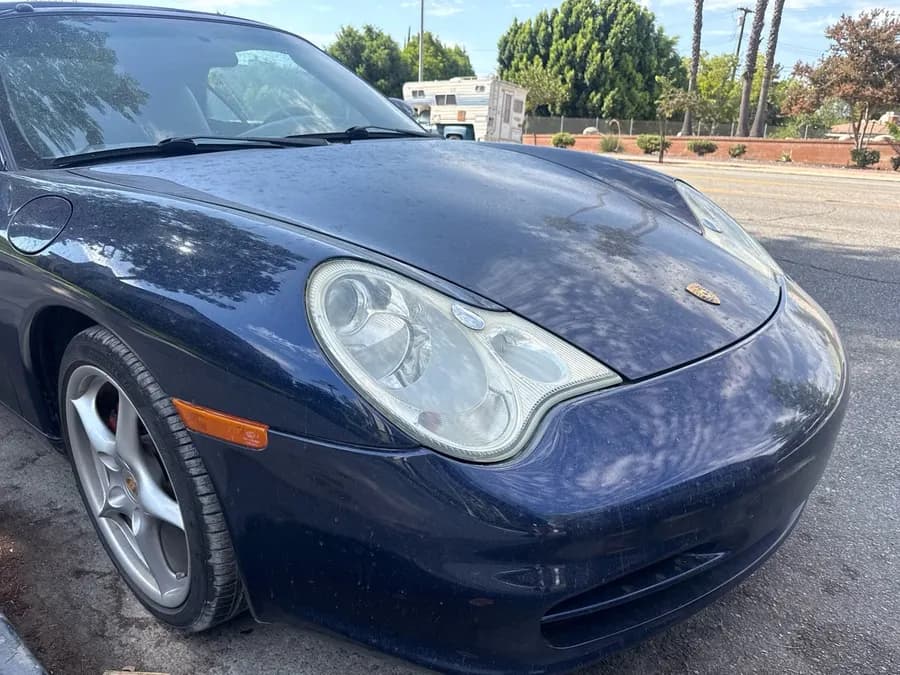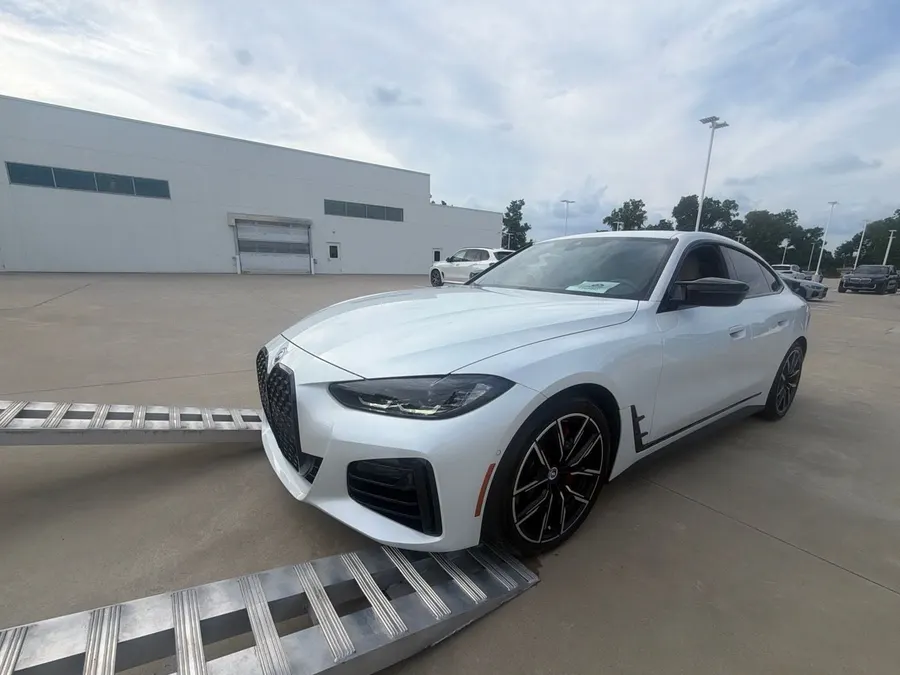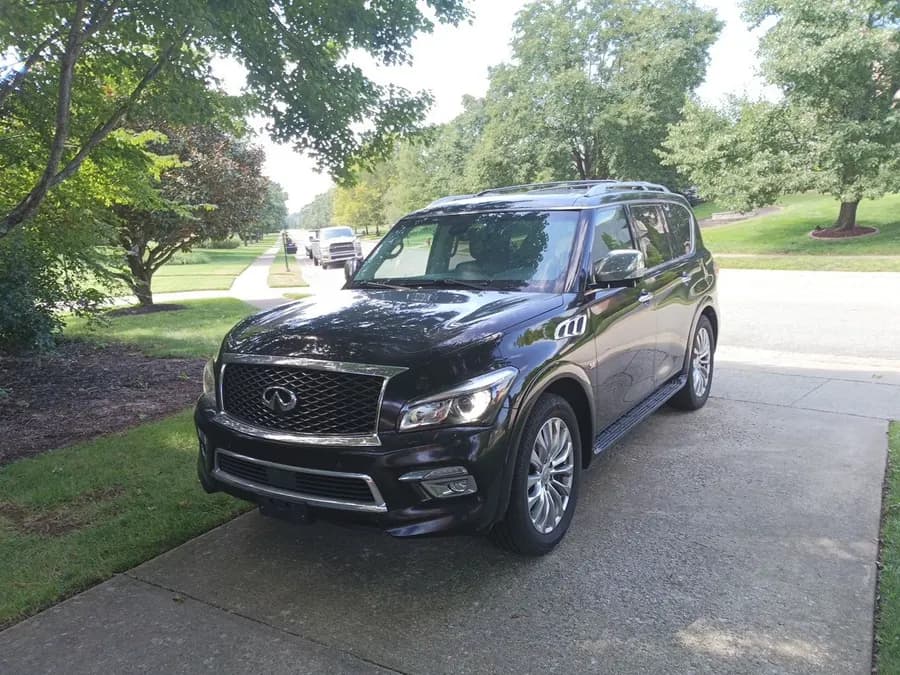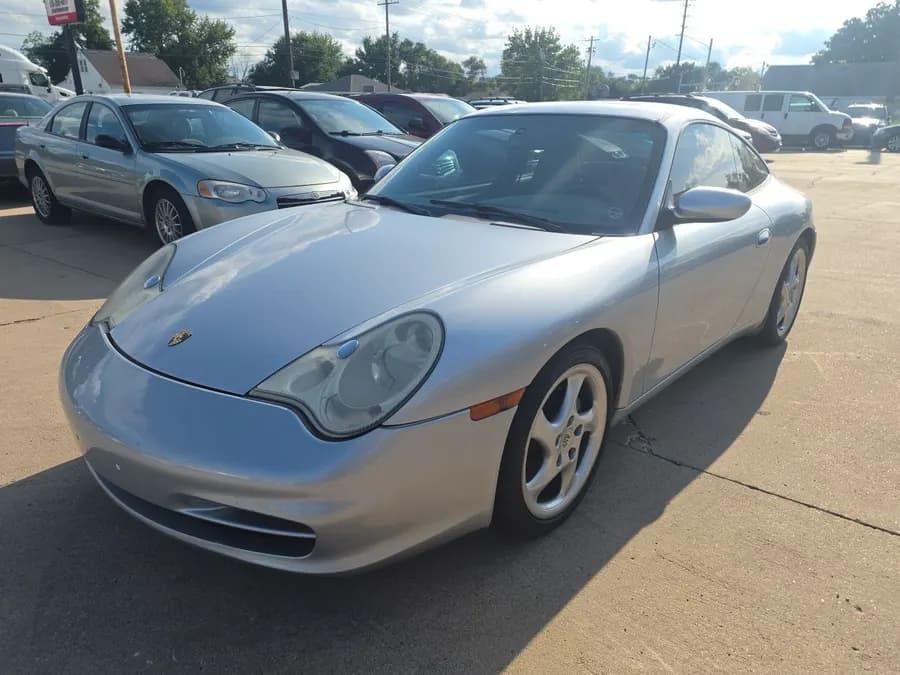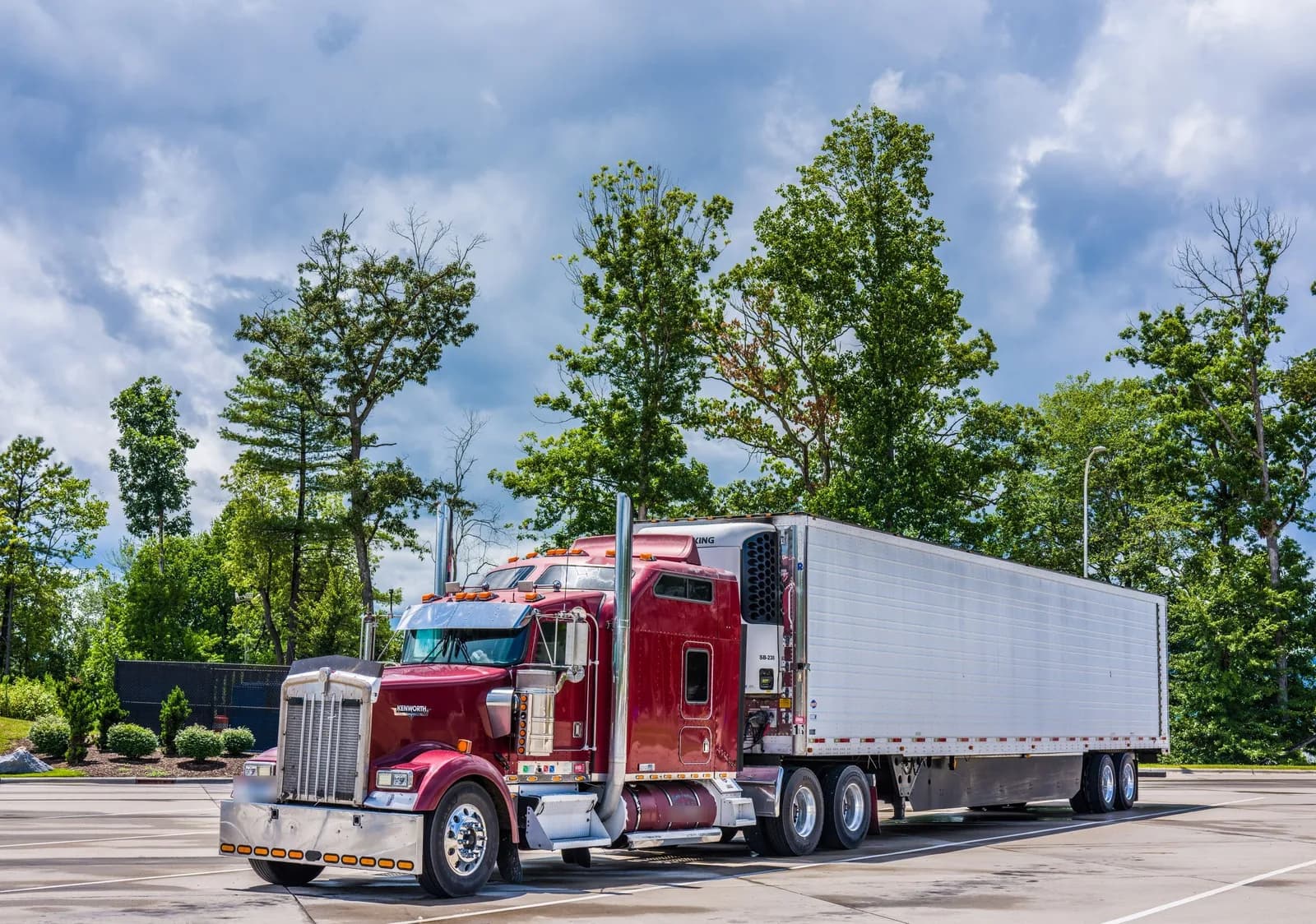
For Long Beach, California, to Miami, I typically estimate $1,500–$1,700 for an average sedan or SUV. Your actual price depends on the route, vehicle size, whether it runs, transport type, and pickup arrangements. This is a range from my experience, not a fixed nationwide rate.
I’ve worked in auto transport for more than four years and personally handled about 800 shipments. One of the biggest problems I see is first-time customers comparing a realistic estimate with a much cheaper offer that may never get their car moved at the advertised price.
If you’ve never shipped a car before, it’s understandable to think the lower number is the better deal. This guide covers shipping within the USA: what affects your cost, what to confirm before booking, and how to avoid surprises.
What do actual car shipping prices look like?
Here are examples of the estimates I give based on my experience:
| Route | Typical estimate |
|---|---|
| Long Beach, California → Miami, Florida | $1,500–$1,700 |
| New York → Miami, Florida | $1,100–$1,200 |
| Ohio → Miami, Florida | $1,100–$1,200 |
The Long Beach route is the coast-to-coast example. I’ve included New York and Ohio to show how other long-distance shipments compare. These are planning ranges, not guaranteed quotes. The exact pickup and delivery locations, vehicle details, dates, and service requirements still need to be confirmed.
Notice that New York and Ohio can fall within similar price ranges. Mileage alone doesn’t tell you what your shipment will cost. Before comparing two quotes, make sure both companies are pricing the same vehicle, locations, and service. For more route comparisons, see the route price guides.
How much does it cost to ship a car cross country, route by route?
These are the long routes I publish prices for, every one over 2,000 miles, straight from my rate sheet. Each is for a standard running sedan or SUV, door to door, with carrier cargo cover and my fee included.
| Route | Miles | Open carrier | Enclosed carrier |
|---|---|---|---|
| California → New York | 2,790 | $1,750–$1,950 | $2,650–$2,900 |
| New York → Los Angeles | 2,790 | $1,500–$1,750 | $2,300–$2,500 |
| Los Angeles → Miami | 2,735 | $1,600–$1,800 | $2,300–$2,550 |
| California → Florida | 2,650 | $1,600–$1,800 | $2,300–$2,550 |
| Florida → California | 2,650 | $1,450–$1,700 | $2,100–$2,400 |
| North Carolina → California | 2,450 | $1,450–$1,750 | $2,450–$2,650 |
| Georgia → California | 2,180 | $1,350–$1,650 | $2,250–$2,500 |
| Tennessee → California | 2,100 | $1,300–$1,450 | $2,200–$2,500 |
| Illinois → California | 2,015 | $1,050–$1,350 | $1,650–$2,000 |
| Chicago → Los Angeles | 2,015 | $1,050–$1,350 | $1,650–$2,000 |
For the most-asked coast-to-coast trip, see how to ship a car from California to New York. To look up any route I price, both directions, use the car shipping cost calculator.
Why can one company quote so much less?
The number you see on a quote matters only if the company can arrange the shipment under the terms you agreed to.
FMCSA distinguishes between a broker, which arranges transportation, and a carrier, which physically transports your vehicle. Knowing who you’re booking with helps you understand who is responsible for arranging the truck and who will move your car. See FMCSA’s auto transport consumer advisory.
Consider this illustrative example—not a documented customer case:
You’re moving a sedan from Long Beach to Miami. One company estimates $1,600. Another offers $900. You book the $900 option. As pickup approaches, the company says it cannot find a driver at that price and asks for more money. Your moving date hasn’t changed, so now you’re making another decision with less time available. The original $1,600 estimate suddenly looks different.
A low quote doesn’t automatically mean fraud, and a higher quote doesn’t automatically mean good service. The concern is an attractive price that changes even though your shipment details stayed the same.
Before booking, ask: “Is this an estimate or a confirmed price? Has a carrier accepted the shipment? What can change the price, and what happens if you cannot find a carrier at the quoted rate?” Get those answers and the cancellation terms in writing.
What frustrates me is seeing a customer go through that experience and conclude that everyone in auto transport is dishonest. There are people in this industry working to give customers realistic prices from the beginning.
What makes car shipping more expensive?
In my experience, three important factors are vehicle size, inoperable condition, and enclosed transport.
A larger vehicle takes up more trailer space and adds weight. Give the company the exact year, make, model, and any modifications when requesting a quote.
A car that cannot be driven onto the trailer needs different loading arrangements. Tell us whether it starts, rolls, steers, and brakes. “It doesn’t run” is a starting point, but those additional details help us arrange suitable equipment.
Enclosed transport adds protection and typically costs more. Here’s how those differences might look on a route with a $1,000 starting estimate:
| Shipment requirements | Illustrative price |
|---|---|
| Running vehicle, open transport | $1,000 |
| Inoperable vehicle, open transport | $1,300 |
| Running vehicle, enclosed transport | $1,400 |
| Inoperable vehicle, enclosed transport | $1,600 |
These figures illustrate pricing differences I encounter. They aren’t fixed surcharges you can apply to every route.
Can belongings in the car increase the price?
Yes—and this is one of the most preventable pickup-day surprises I see. Customers moving across the country sometimes pack the car with boxes, clothes, and other belongings. They may have discussed around 100 pounds when booking, then load closer to 300 pounds.
That changes what the driver is being asked to carry. In situations like this, I’ve seen drivers ask for an additional $200.
Do not treat 100 pounds as a universal allowance. Ask what the assigned carrier permits, where items may be placed, and whether additional weight will be accepted or charged separately.
If you plan to pack the car, tell us before we finalize the arrangements. Don’t assume personal belongings are covered by the vehicle’s transport insurance; ask specifically about that coverage. A clear conversation before pickup is much easier than negotiating beside a loaded car.
Does the driver need my keys?
Yes. For a running vehicle, loading usually involves driving it onto the trailer and driving it off at delivery. Some first-time customers picture a tow truck that can collect a locked car without access. They lock the vehicle and leave town with the keys.
You can lock the car while waiting, but arrange an agreed handover so the driver can access it and receive the keys. If you won’t be present, designate someone who can handle pickup and the vehicle inspection. For an inoperable vehicle, discuss access and loading needs in advance too.
Should I pay extra for enclosed transport?
For most everyday vehicles, I believe open transport is a sensible choice. I’m more inclined to recommend enclosed transport for a newer Corvette, a valuable BMW or Mercedes, or a classic car. Around $30,000–$50,000 and above is where I’d start discussing the option more seriously, but price alone shouldn’t decide it.
A classic car may contain parts that are difficult to replace. An insurance payment cannot necessarily find an unavailable original component.
Enclosed transport also offers greater protection from road debris and weather during transit, which can be especially appealing in winter. However, the vehicle can still be exposed during loading and unloading, so I wouldn’t promise that no rain will ever touch it. My recommendation depends on the car’s value, condition, rarity, and how much protection matters to you. See the enclosed transport guide for more details.
How can I reduce the cost without gambling on a cheap quote?
One practical option I recommend is asking whether a convenient meeting point near a major transport route would lower the price. If your home requires a significant detour, meeting the driver at an accessible location may make the shipment easier and less expensive.
That doesn’t necessarily mean downtown. A busy city center can be difficult for a large trailer to enter or stop in. Let the carrier agree on a safe, accessible location before you drive there. Ask whether changing the pickup or delivery point will actually reduce your quote, then weigh the saving against your time and travel costs. The door-to-door shipping guide explains meeting points.
Is driving the car yourself cheaper?
It can be, but calculate the whole trip before deciding. Compare your shipping quote with fuel, hotels, meals, any tolls, vehicle wear, and the value of your time. If you would need time off work, include that too.
In some comparisons I’ve seen, driving saves only around $200–$300 once travel expenses are included. That is an observation from my experience, not a guaranteed result for your route.
If you enjoy long-distance driving and can comfortably spare several days, it may make sense. If the trip disrupts work or adds stress to an already busy move, shipping may be worth the difference.
What should I check before booking?
You don’t need to collect ten quotes to make a good decision. If a price seems fair and the company clearly explains its terms, I don’t think endless shopping is necessary. But verify the details before paying:
- Company credentials: Confirm whether you’re dealing with a broker or carrier, and verify its active registration and authority through FMCSA. Once assigned, obtain the carrier’s legal name, MC number, USDOT number, and contact details. See FMCSA’s lookup guidance.
- Vehicle coverage: Request the carrier’s cargo insurance information and ask about limits, deductibles, exclusions, and claims. Registration alone doesn’t tell you everything about protection for your car. See FMCSA’s insurance requirements.
- Written price and terms: Confirm the total, payment schedule, cancellation terms, and any circumstances that could change the charge.
- Pickup arrangements: Confirm the location, keys, belongings allowance, and driver’s identity. Photograph the vehicle and review its condition report at pickup and delivery.
- Deposit method: My advice is to avoid paying an unfamiliar company a deposit through Zelle. Zelle says it does not offer purchase protection and recommends sending money only to people or businesses you trust. See Zelle’s payment guidance.
In the shipments I arrange, drivers are often booked one to three days before pickup. Ask when you should expect the carrier’s details and whether your pickup date is an estimate or a commitment.
Want a realistic price for your shipment?
I’m Brian, a manager at Leader Auto Ship. I’ve personally handled about 800 shipments over more than four years, and I built this website so customers can reach me directly.
My approach is to give you a fair, all-inclusive rate for the shipment details we agree on, with no hidden fees. That means discussing your vehicle, its condition, belongings, locations, and transport type upfront. I don’t take deposits through Zelle.
Call me directly at 567-666-4241 or request a quote to discuss your route and get an estimate you can use to plan your move.
Written by Brian Smith, Manager at Leader Auto Ship LLC — FMCSA licensed property broker, MC #1638331, DOT #4232283. Brian has more than four years of experience and has personally handled about 800 shipments. Verify the licence yourself.