Open transport works well for most everyday vehicles. Enclosed deserves a closer look when the car’s value, finish or irreplaceable parts make exposure harder to accept.
Open transport carries your car on a trailer exposed to the weather. Enclosed transport puts it inside a covered trailer for the journey. Both require a suitable carrier, careful loading and coverage checks. The choice is about your vehicle and your priorities.
Open vs enclosed car shipping: what does each cost?
Here is my planning example: if a running car costs $1,000 open, the same shipment might cost about $1,400 enclosed. This is an illustration, not a fixed 40% surcharge. The difference changes with the route, dates and available equipment. Compare the two prices for your actual shipment rather than applying one percentage to every route.
For a car that does not run, that example becomes about $1,300 open or $1,600 enclosed. The loading allowance differs because the starting equipment and carrier price differ. See my cross-country cost guide for the full comparison.
When I recommend considering enclosed
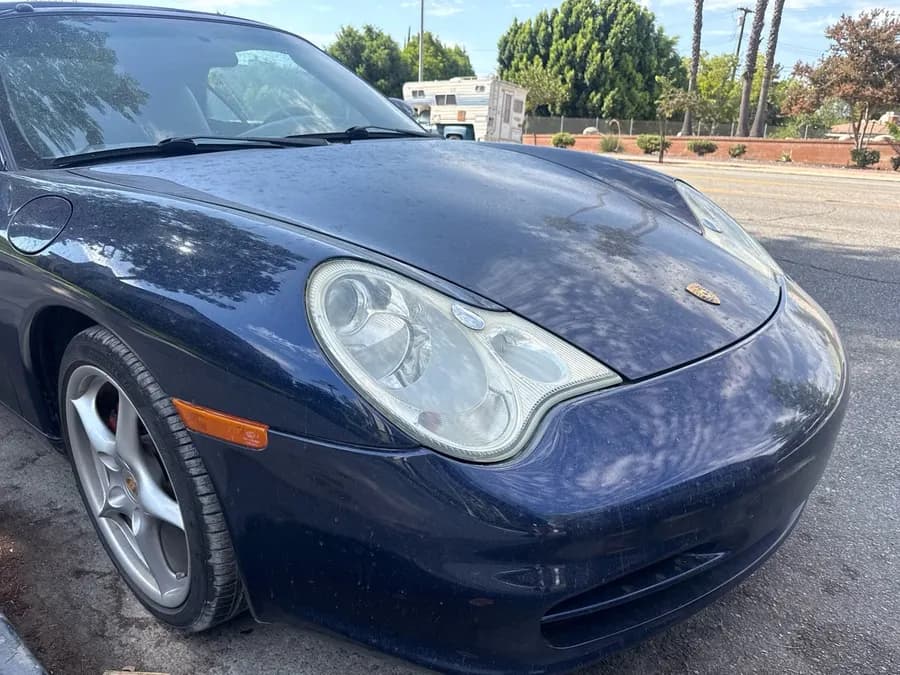
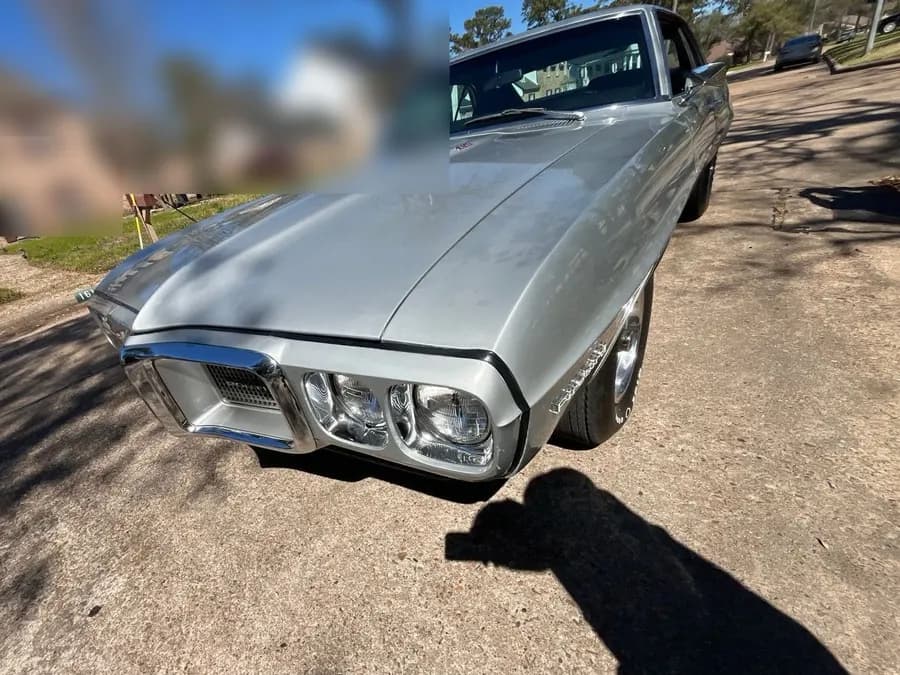
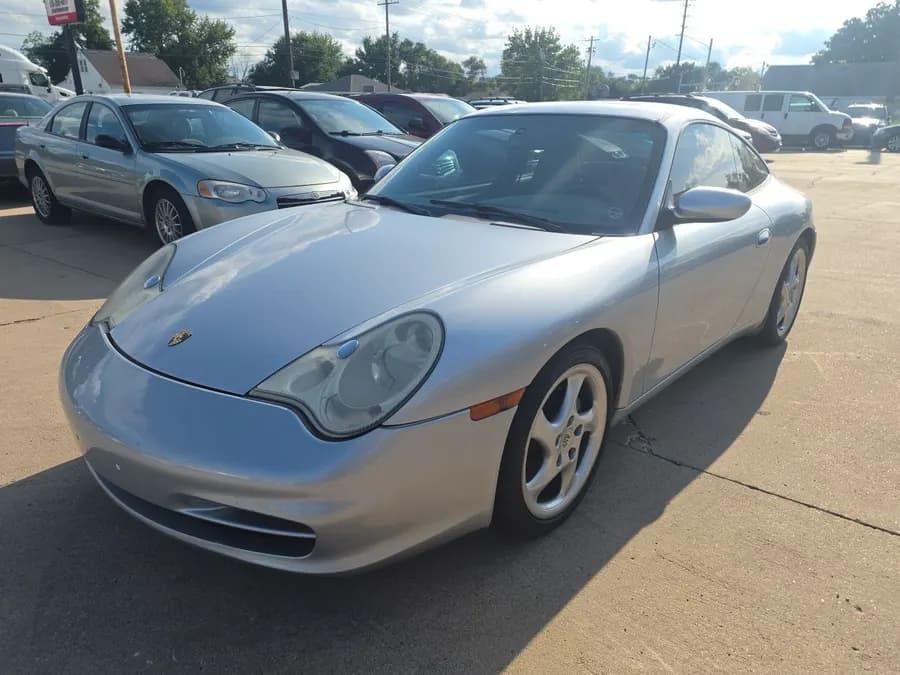
- A classic or restored car with original paint or parts that are difficult to replace. An insurance payment may not recreate an unavailable part.
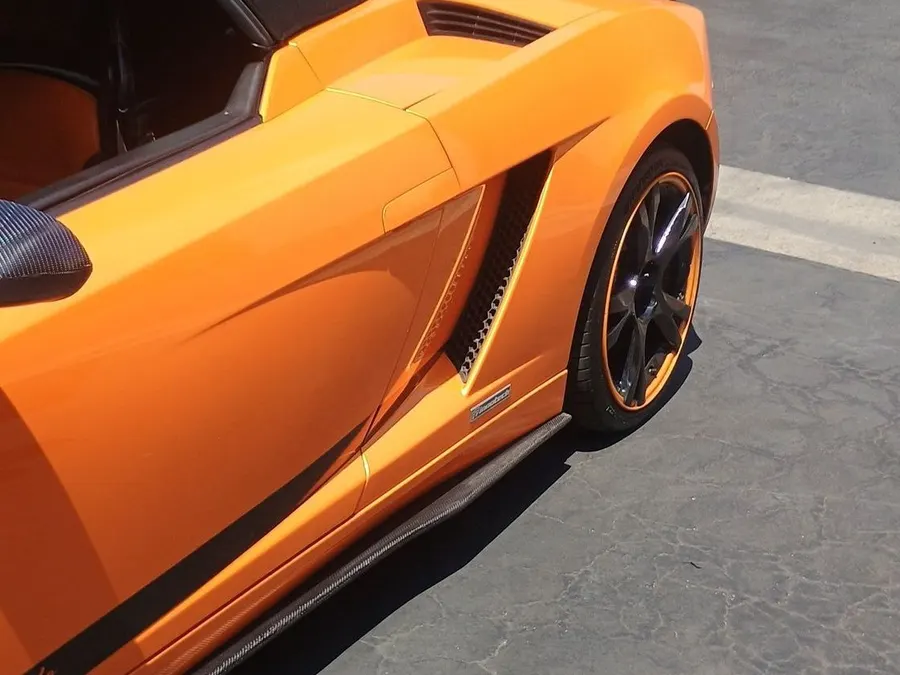
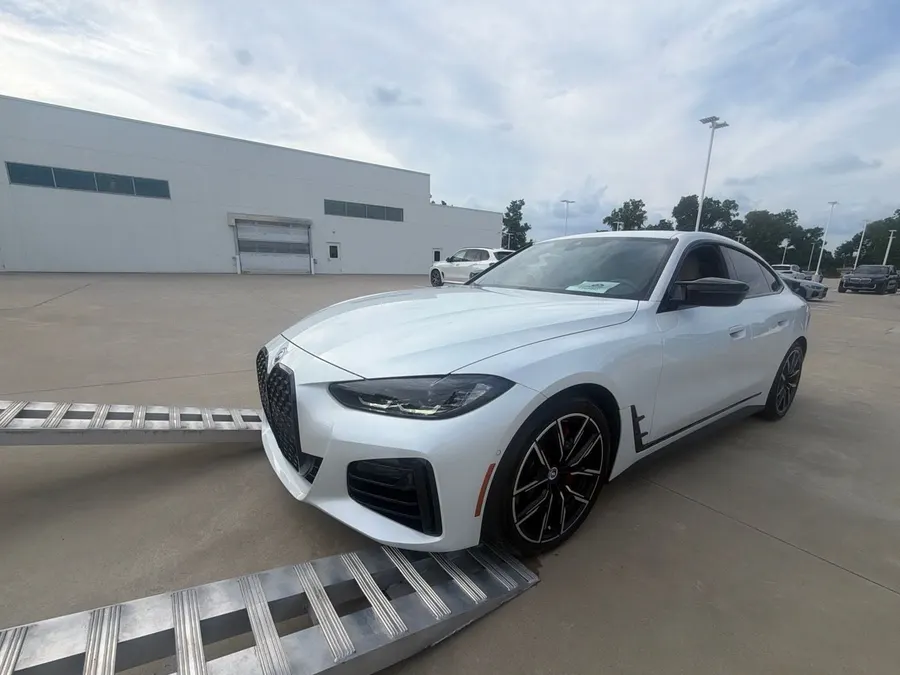
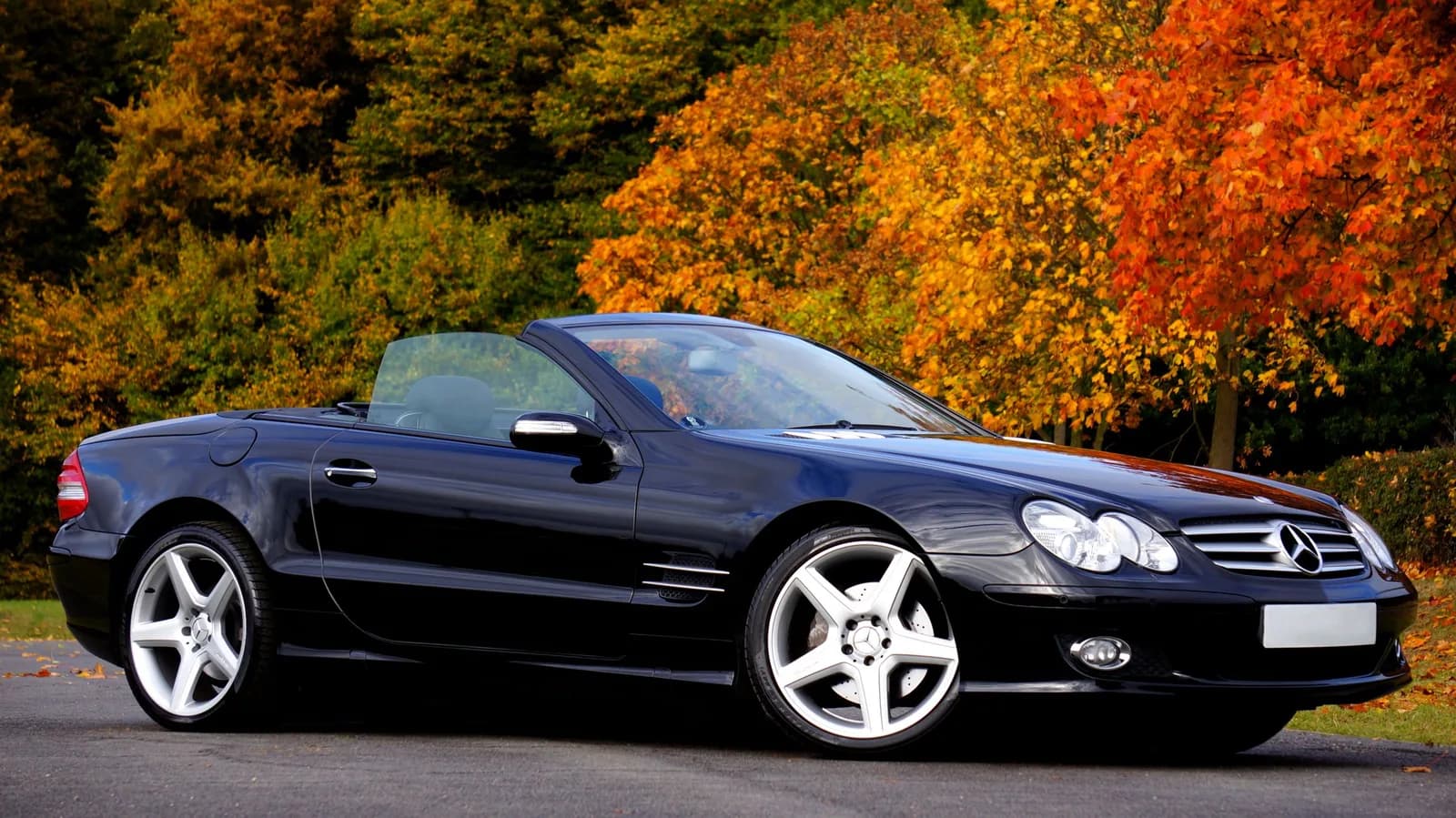
- A valuable newer sports or luxury car, such as a Corvette, BMW or Mercedes. Around $30,000–$50,000 and above is a useful point to discuss enclosed with me, rather than a rule that makes it mandatory.
- Custom paint, a show finish or a vehicle that is personally irreplaceable.
- A winter shipment when reducing exposure to road spray, salt and debris matters to you.
- A low-clearance car that needs a particular loading setup. Confirm a lift gate or suitable ramp angle before booking; “enclosed” alone does not guarantee that equipment.
When open makes sense
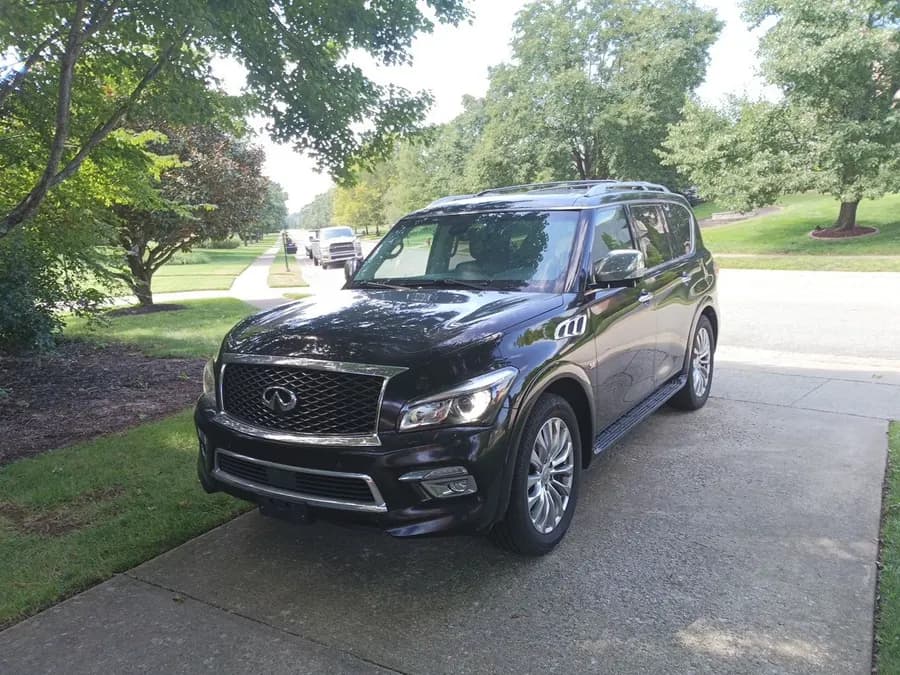
For an ordinary daily driver, family SUV or lease return, open is usually my practical starting point. It generally costs less, and there is often a wider choice of carriers. A newer car does not automatically need enclosed: discuss the finish, condition, value and your comfort with normal road exposure.
What enclosed does and does not promise
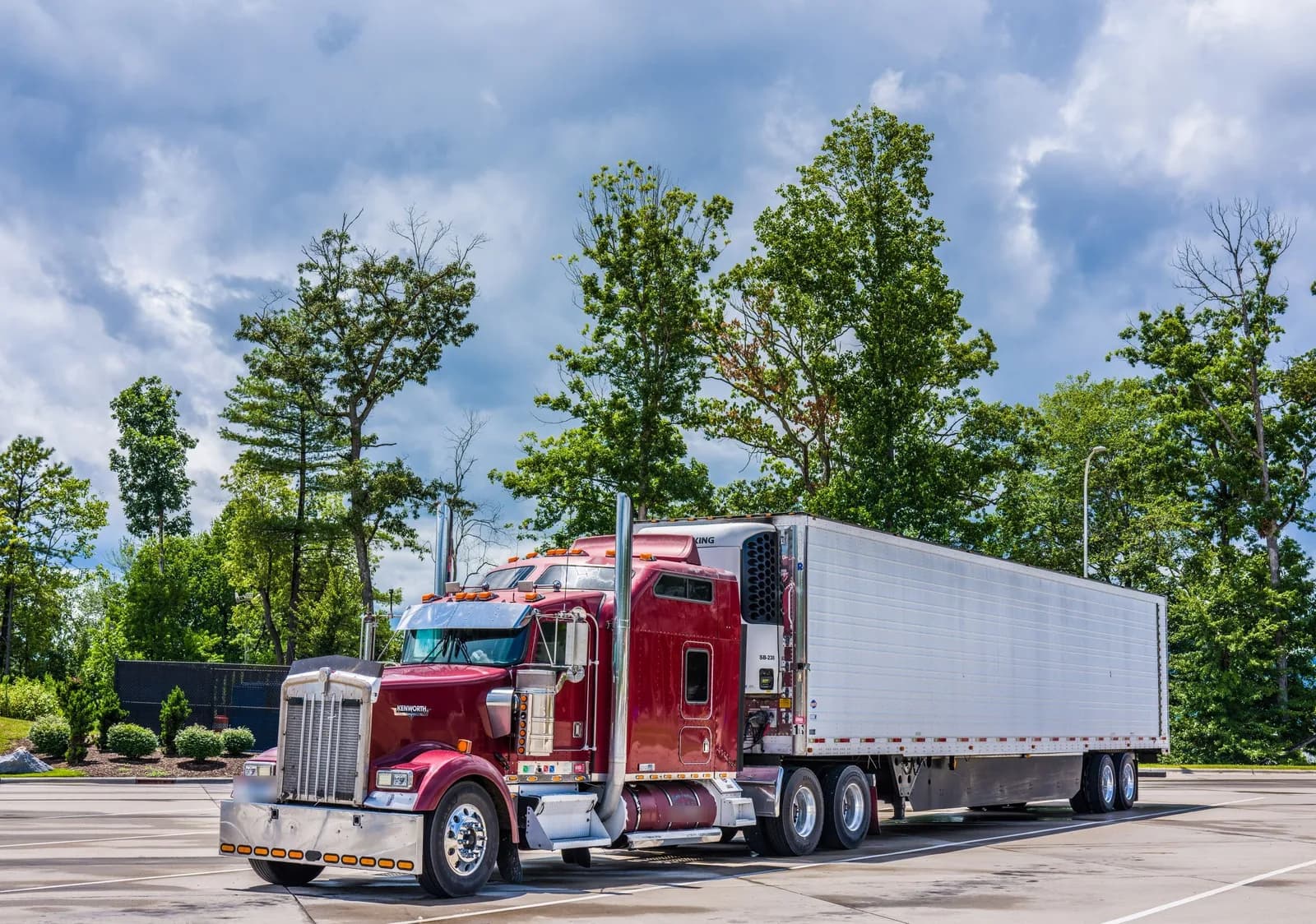
An enclosed trailer shields the vehicle while it is inside. Loading and unloading can still happen outdoors. Ask which trailer is being assigned, how the car will be loaded and secured, and what the cargo policy covers. Do not assume every enclosed carrier has a lift gate, climate control or a higher insurance limit.
On shipments I arrange, the coverage is stated up front and included in the price: up to $100,000 per vehicle on an open carrier and up to $1,000,000 on an enclosed carrier. You receive the carrier’s certificate of insurance with the driver’s details once your final price is confirmed.
My advice before you choose
Tell me what the vehicle means to you, along with its year, make, model, value and any modifications. Then we can compare a realistic open quote with a realistic enclosed quote. Read the enclosed service guide and insurance checklist for the checks that matter before pickup.
Written by Brian Smith, Auto Transport Manager at Leader Auto Ship LLC — FMCSA licensed property broker, MC #1638331, DOT #4232283. Brian has more than four years of experience and has personally handled about 800 shipments. Verify the licence yourself.