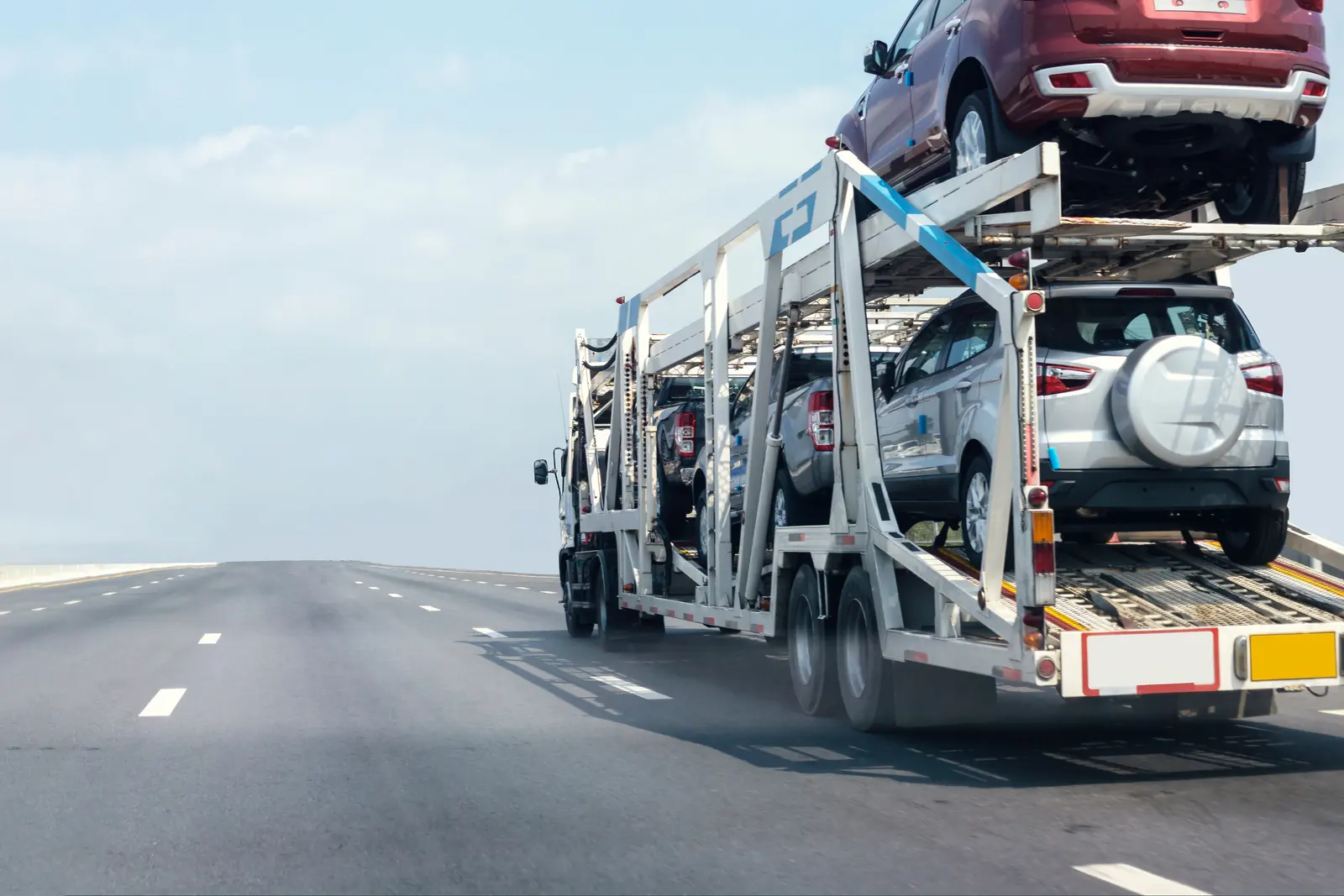
You do not buy a separate policy. The carrier already carries one, and it is the only coverage that matters while your car is on the truck — here is what it covers, what it never covers, and how to check it before you hand over the keys.
No — you do not need to buy extra insurance to ship a car, and you should never be charged a separate insurance fee. Every carrier I dispatch to is federally required to carry cargo insurance, it is already inside the price you are quoted, and it covers your vehicle from the moment it is loaded until it comes off the truck.
The short answer
Transport is one of the few things you buy where the coverage comes attached. A licensed motor carrier cannot legally operate without insurance on file with the FMCSA, and a licensed broker cannot legally arrange loads without a $75,000 surety bond. Both are public records you can check yourself in about two minutes. If anyone offers to sell you a shipping insurance add-on, that is the moment to stop and ask what you are actually paying for.
What the carrier's cargo insurance covers
Cargo insurance covers physical damage to the vehicle while it is in the carrier's custody — the loading, the drive, and the unloading. Every carrier I dispatch to carries active cargo insurance, typically $100,000 to $250,000 on open trailers and up to $1,000,000+ on enclosed.
- Damage that happens during loading or unloading
- Damage from securing equipment — straps, chains, wheel nets
- Road debris and weather impact while the vehicle is on the truck
- Collision or accident involving the transport truck itself
- Theft of the vehicle while it is in the carrier's possession
What it does not cover
This is the half that costs people money, because it rarely gets explained before pickup.
- Personal belongings left in the car — cargo insurance covers the vehicle, not its contents, at any dollar value
- Pre-existing damage that was already on the vehicle when it was loaded
- Mechanical or electrical failure that is not the result of impact
- Damage you cannot prove, because nothing was written on the Bill of Lading
- Acts of God on some policies — hail and flood are the usual carve-outs, and they vary by carrier
Do you need to keep your own policy active?
Yes, and people get this wrong in both directions. Your own policy is not what pays if the truck is in an accident — the carrier's cargo policy is primary while the vehicle is in their custody. But cancelling your coverage mid-move is still a mistake. Most states require continuous insurance on a registered vehicle regardless of whether you are driving it, a lapse can raise your rate when you reinstate, and you need active coverage the moment you drive the car off the delivery truck. Keep it running. If you are shipping a car you will not drive for months, ask your insurer about a storage or comprehensive-only rate instead of cancelling outright.
How to verify a carrier's insurance in two minutes
- Get the carrier's MC or USDOT number — not the broker's, the carrier actually hauling your car
- Look it up on the FMCSA SAFER database, which is free and public
- Confirm the operating authority reads ACTIVE, not revoked or pending
- Confirm insurance is on file, and check the coverage amount against your vehicle's value
- Ask for the certificate of insurance directly if the vehicle is worth more than the posted cargo limit
I send carrier details before pickup rather than waiting to be asked. If a broker will not tell you which carrier is coming, you have no way to check any of the above, and that is the actual risk in this industry — not the coverage.
What to do if your car arrives damaged
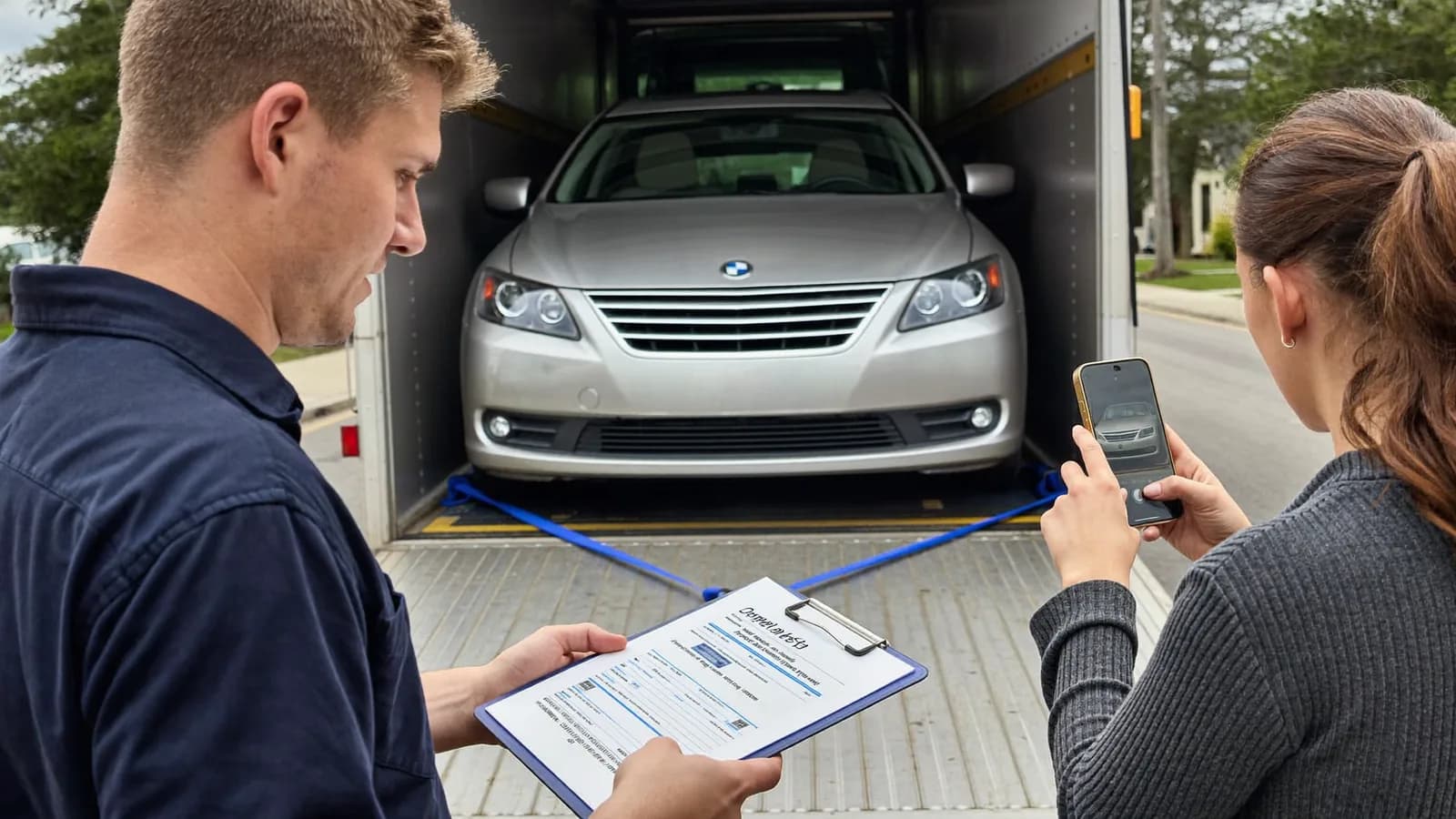
Do not sign a clean Bill of Lading and sort it out later. Once you sign off that the vehicle arrived in acceptable condition, you have signed away most of your leverage.
- Inspect the vehicle before you sign anything, in daylight if you can arrange it
- Write the damage on the Bill of Lading itself and have the driver sign that copy
- Photograph the damage with the truck still in frame
- Keep your copy of the BOL and your pickup photos together
- File the claim with the carrier's insurer, and tell me the same day so I can push it
The one mistake that voids a claim
Skipping the walkaround at pickup. The Bill of Lading is the before photo in legal form, and a claim is settled by comparing it to the condition at delivery. If the pickup inspection was rushed and nothing was written down, there is no documented before — and a carrier's insurer will not pay for damage that cannot be shown to have happened in transit. Ten minutes with the driver at pickup is the entire difference between a paid claim and an argument you lose.