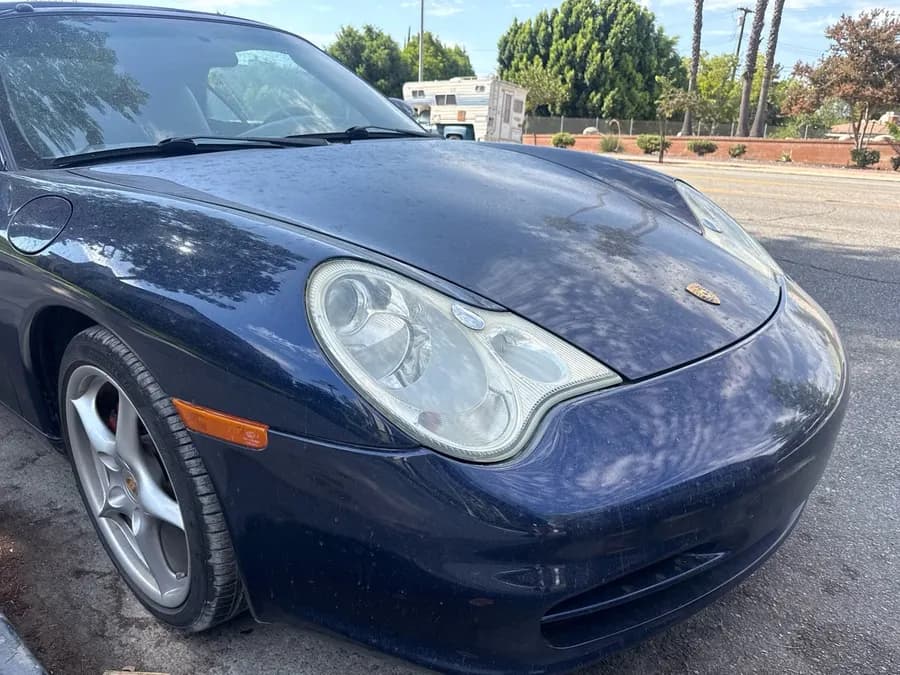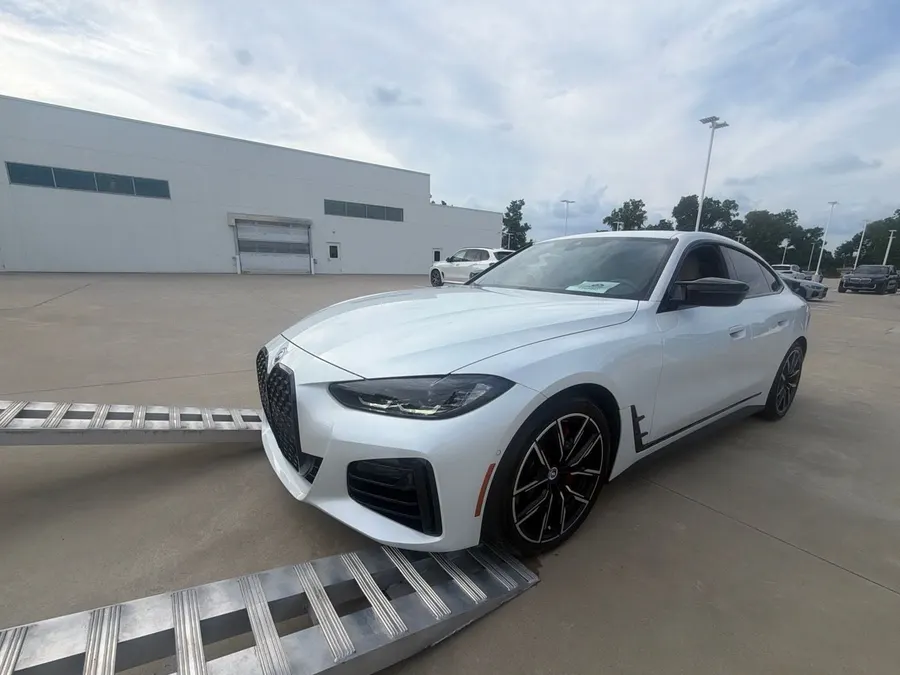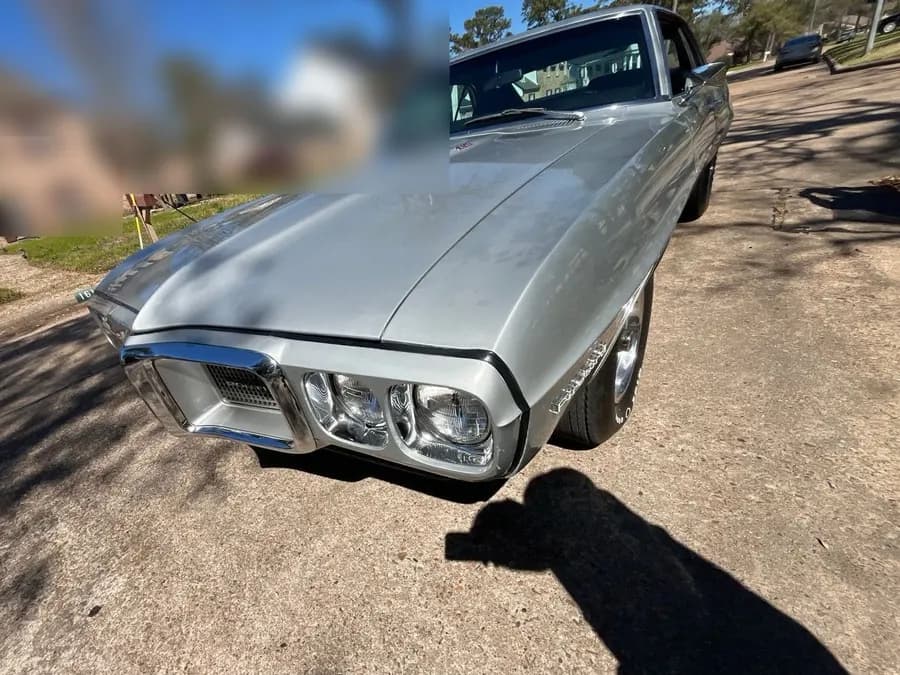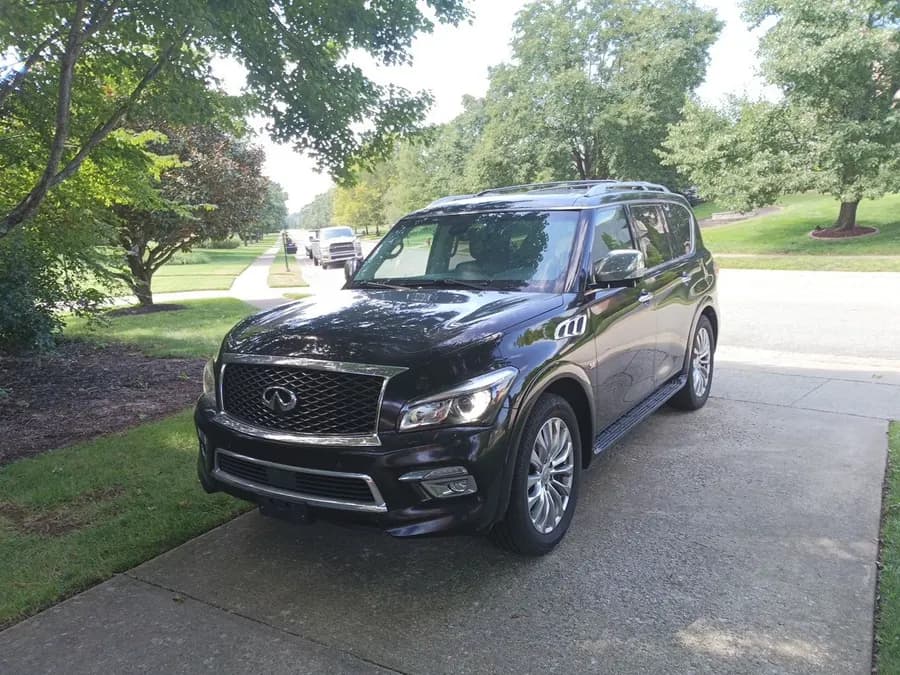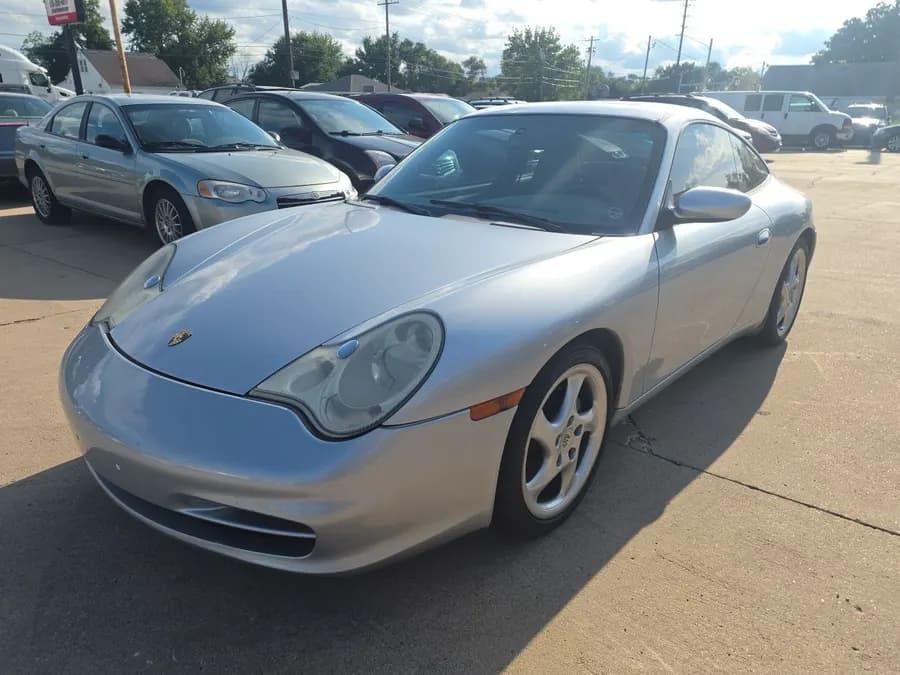
The questions I hear most often are about keys and luggage. Arrange both before pickup, then document the car with the driver.
Before pickup day
- Wash the exterior enough to see existing damage. Photograph every panel, wheels, glass and the odometer.
- Remove valuables, toll transponders and parking passes. Ask about any belongings you intend to leave inside.
- Tell me about leaks, starting problems, flat tires, low clearance, modifications or loose exterior parts before the carrier is assigned.
- Follow the carrier’s fuel instructions; around a quarter tank is normally enough for loading and unloading.
- Provide alarm instructions and a working key or key fob. Keep a spare yourself if available.
- Confirm the pickup contact, access instructions and a safe meeting point if the trailer cannot reach your street.
Yes, the driver needs the keys
A running car is normally driven onto the trailer and driven off at delivery. People sometimes picture a tow truck that lifts a locked car with nobody accessing it. That is not the normal loading process for a multi-car carrier.
You can lock the car while it waits, but the driver must receive the keys. If you fly out before pickup, arrange a named person to hand over the keys and help with the inspection. Agree any unattended collection procedure with me and the carrier beforehand; taking the only key on your flight can prevent pickup.
How much stuff can you leave in the car?
A shipment I arrange includes 100–150 lbs of personal belongings in the car. Many companies advertise 250 lbs, but the driver then asks for more money on pickup day, and a customer with a flight to catch or a job to get to usually pays rather than lose the truck. Carriers typically charge about $1 for every pound above the agreed amount, so 300 lbs on a 150 lb allowance can mean around $150 extra at the curb.
You can bring 250–300 lbs if you plan for it. Confirm an estimated weight with me, or with whichever company you book, before pickup. Once you receive the driver’s phone number, call the driver and confirm the same weight directly, even if your agent has already said it is fine. Keep items below the window line, out of sight, and do not assume they are insured: personal belongings are usually excluded from the carrier’s cargo coverage.
At pickup: inspect together
Walk around with the driver. Record existing scratches, dents and chips on the Bill of Lading, take your own photos and keep the report. Confirm the carrier identity and contact details match your booking. Keep the transport agreement and coverage information too; the condition report is important evidence, but it is not your only useful document.
At delivery: compare before signing
Allow time to inspect in good light when possible. Compare the car with the pickup report and photos. Record any new damage, photograph it and notify the carrier and me promptly. Follow the claim process in the insurance guide.
For a car that cannot start, read the non-running vehicle guide. The right equipment needs arranging before the driver arrives.
Written by Brian Smith, Auto Transport Manager at Leader Auto Ship LLC — FMCSA licensed property broker, MC #1638331, DOT #4232283. Brian has more than four years of experience and has personally handled about 800 shipments. Verify the licence yourself.