About 1,450 miles, 3–4 days on the truck, and $1,500–$1,750 for a running sedan or SUV on an open carrier. Why this busy relocation lane books easily, what summer does to it, and why the trip back west costs less.
California to Texas has been one of the busiest relocation lanes in the country for several years, and that works in your favour: many carriers run it every week, so a car gets on a truck without a long wait. The numbers from my sheet: about 1,450 miles, 3–4 days on the truck, and $1,500–$1,750 for a standard running sedan or SUV on an open carrier.
How much does it cost to ship a car from California to Texas?
The published band is $1,500–$1,750 open and $1,650–$1,950 enclosed, door to door, for a standard running vehicle. That is the whole price, the carrier’s cargo coverage and my fee included. Nothing is charged when you book; a deposit is collected once a carrier is assigned with a pickup date, and the balance is paid to the driver at delivery.
Inside the band, the usual things move the number: a larger vehicle, a car that does not run, an address far from the interstate, and a single fixed pickup day instead of a window. For your own two ZIP codes, get your exact quote.
How long does it take?
Four to six days on the truck. Dispatch, the time between booking and a carrier committing to a pickup date, comes first and usually takes a few business days. In summer the desert heat across Arizona and New Mexico can add half a day, because drivers plan fuel and rest stops around it.
Which route does the truck take?
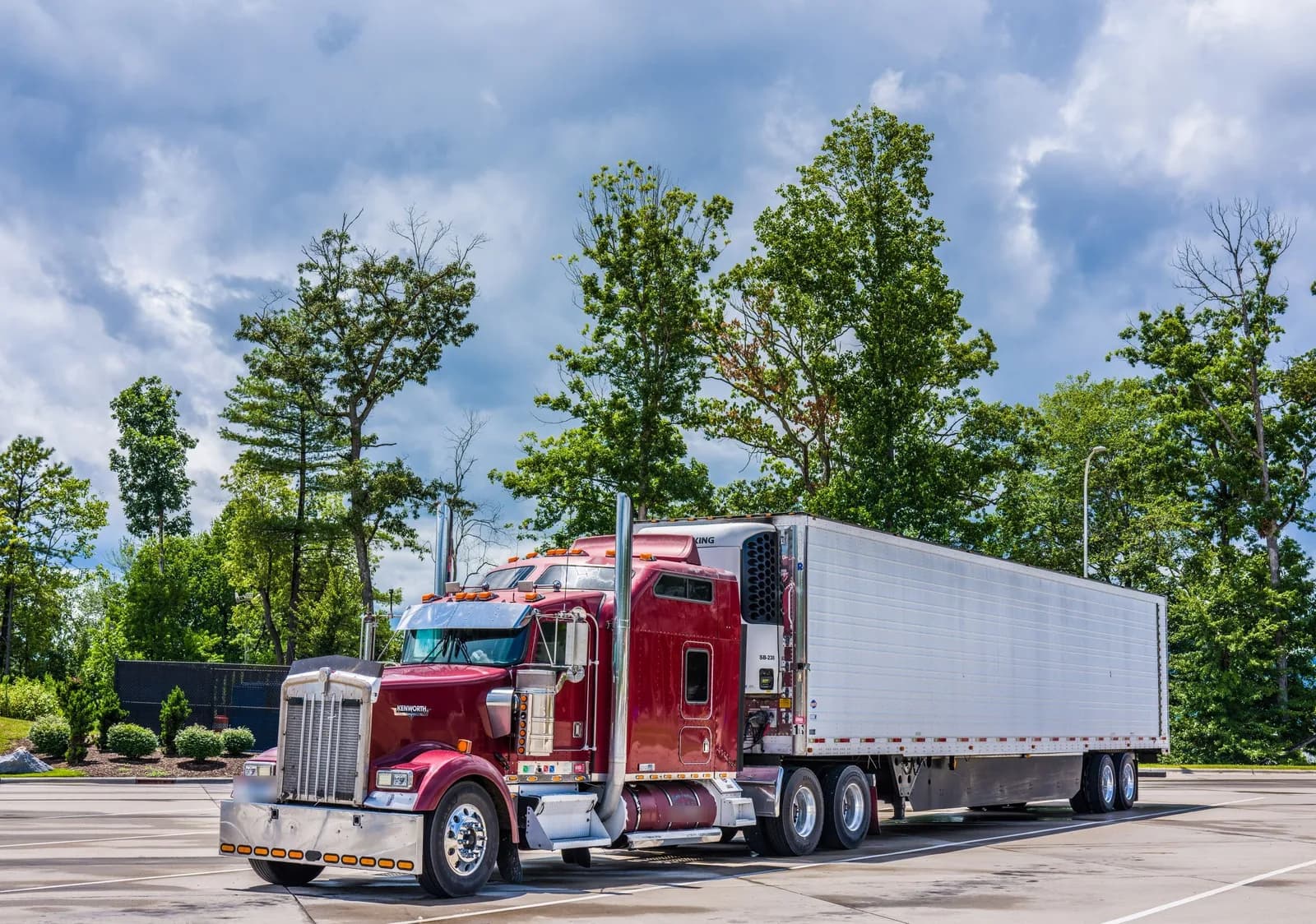
Most carriers take I-10 through Phoenix, Tucson and El Paso. For north Texas, many use I-40 instead. Both are long, busy freight roads, which is what keeps trucks available on this lane.
When is the best time to ship?
The lane is steady all year, with a summer peak from June through August when families move between school years. There is no sharp seasonal spike like the Florida snowbird lanes, so a flexible date helps less here than it does there. If you are moving in summer, book a couple of weeks ahead so the carrier is arranged before your moving day.
Who ships cars on this lane?
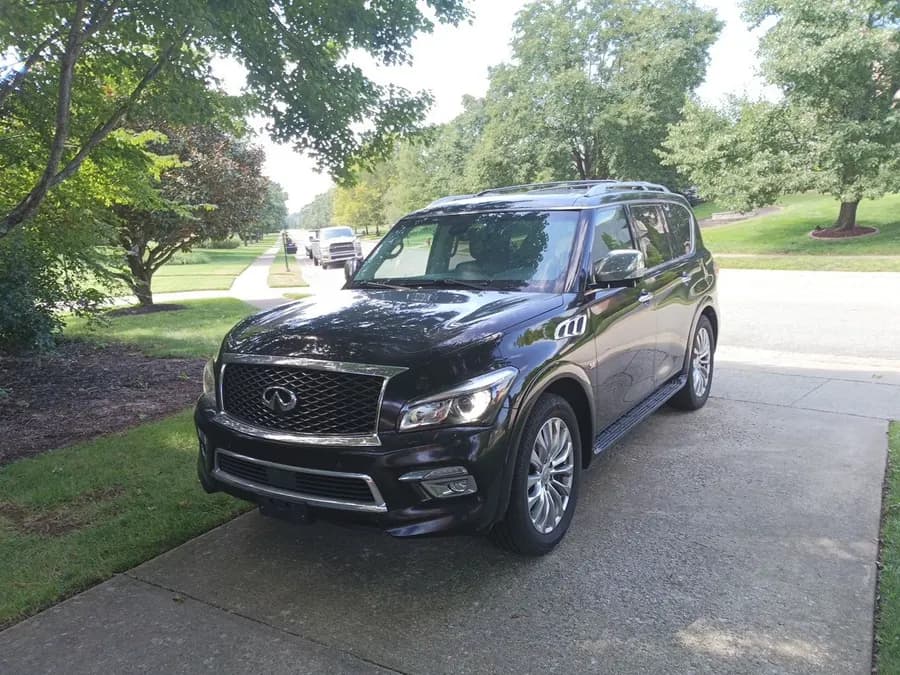
Families relocating to Austin, Dallas, Houston and San Antonio, people moving for work, and a steady flow of dealer and auction cars heading east. Most cars are daily drivers and family SUVs, with a noticeable share of electric cars. If you are shipping an EV, tell me the model when you ask for a quote so the carrier can plan loading.
Where pickups and deliveries happen
In California: Los Angeles, San Diego, San Francisco and Sacramento most often. In Texas: Dallas, Houston, Austin and San Antonio. Pickup and delivery are door to door when a full-size car hauler can reach the street. In dense neighborhoods or gated communities, the driver arranges a nearby meeting point instead, such as a store parking lot a few minutes away.
Open or enclosed?
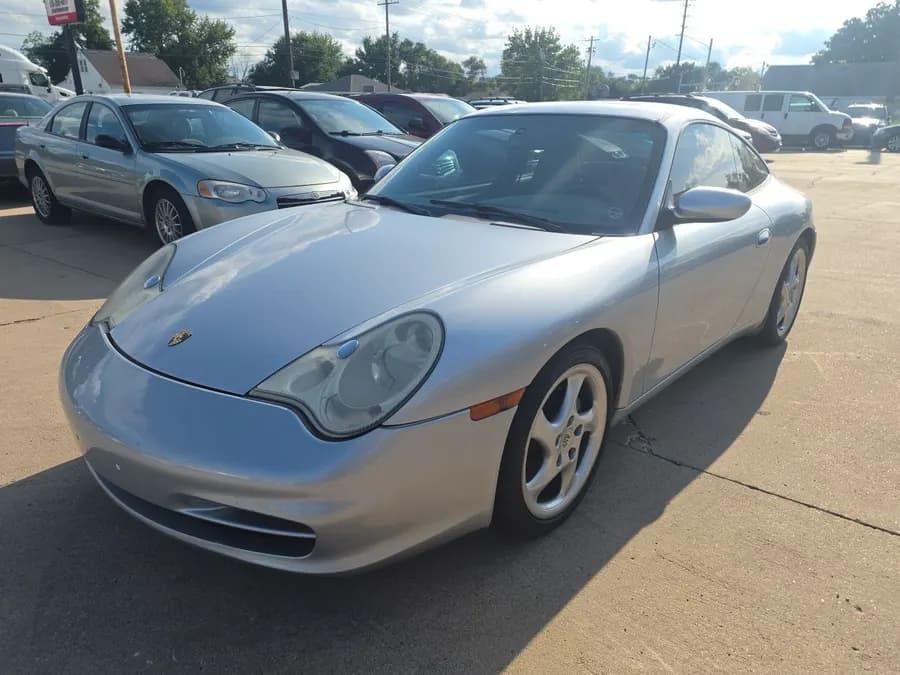
Open transport at $1,500–$1,750 is the normal choice for daily drivers. Enclosed at $1,650–$1,950 is for cars that justify it: a classic, a low-clearance sports car, or a car whose paint you do not want exposed on a desert highway. The open versus enclosed guide walks through the decision, and the enclosed transport page compares routes.
Shipping the other way: Texas to California
Westbound is much cheaper: $950–$1,200 open and $1,350–$1,600 enclosed. Far more cars move from California to Texas than the reverse, so carriers heading back west often have space to fill. That direction has its own Texas to California route page.
The process from quote to delivery
- You send the pickup ZIP, delivery ZIP, the vehicle and your first available date. I quote the lane and call you back.
- You book. No deposit until a carrier is assigned.
- A carrier accepts. I check their FMCSA authority and cargo insurance before you get the name, then give you the pickup window.
- The driver calls the day before pickup to confirm the time and the spot.
- You inspect the car together at pickup and sign the Bill of Lading, with photos.
- Four to six days later the driver calls ahead in Texas. You inspect against the pickup photos, sign, and pay the driver the balance.
What goes wrong, and how to avoid it
The quote that is too low. A California to Texas car quoted well under the band gets posted at that price, no carrier takes it, and a week later you get a call asking for more money. If a quote is far below $1,500 for open transport, ask what happens if nobody accepts it. The guide to spotting a bad broker covers the other warning signs.
The rushed inspection. Note every existing mark on the pickup Bill of Lading and take dated photos, then do the same before you sign at delivery. Do you need insurance to ship a car explains what the carrier’s coverage does and does not include.
Getting the car ready
- Wash it so the inspection is honest.
- Leave about a quarter tank of fuel.
- Take out personal belongings; they are not covered on the truck.
- Remove or switch off the toll transponder.
- Start it the day before pickup if it has been sitting.
The full checklist is in preparing your vehicle for transport. When you have the car and rough dates, the California to Texas route page has the quote form, and I am on (567) 666-4241.
Prices, transit times and both directions for this corridor are on the California to Texas route page.
Written by Brian Smith, Auto Transport Manager at Leader Auto Ship LLC — FMCSA licensed property broker, MC #1638331, DOT #4232283. Brian has more than four years of experience and has personally handled about 800 shipments. Verify the licence yourself.